Summary:
Smart Generator Technology Transforms Home Power Backup
The biggest shift in generator installation isn’t just about power output anymore. It’s about intelligence. Today’s generators come equipped with WiFi connectivity, smartphone apps, and predictive maintenance systems that monitor performance 24/7.
These smart systems automatically adjust to your home’s power needs, running diagnostics while you sleep and sending alerts directly to your phone if maintenance is needed. For Clyde residents dealing with unpredictable weather patterns, this means your backup power system stays ready without constant manual checking.
Automatic Transfer Switches Get Smarter and Faster
Gone are the days of manual generator startup during emergencies. The latest automatic transfer switches activate within seconds of detecting power loss, seamlessly switching your home to backup power before you even notice the outage.
Modern transfer switches also prioritize essential circuits first, gradually bringing your entire home online to prevent system overload. This staged approach means your refrigerator, heating system, and security systems get power immediately, while less critical items like pool pumps come online once the generator stabilizes.
Installation costs for these advanced transfer switches have become more reasonable too. What used to be a luxury feature is now standard in most whole house generator installations across Clyde. The technology prevents damage to sensitive electronics and eliminates the dangerous practice of backfeeding power through outlets.
The reliability factor cannot be overstated. These systems undergo rigorous testing to ensure they’ll work when Taylor County’s next ice storm hits. Professional installation ensures proper sizing and configuration, which directly impacts how quickly your home transitions between grid power and generator power during outages.
Weather-Resistant Designs Handle Texas Extremes
Generator manufacturers have finally caught up to Texas weather realities. The newest models feature enhanced weatherproofing specifically designed for extreme temperature swings, ice accumulation, and high winds that regularly impact the Clyde area.
Corrosion-resistant enclosures now come standard, protecting internal components from moisture and temperature fluctuations. These aren’t just cosmetic improvements. The enhanced weather protection directly translates to longer equipment life and fewer service calls during critical weather events.
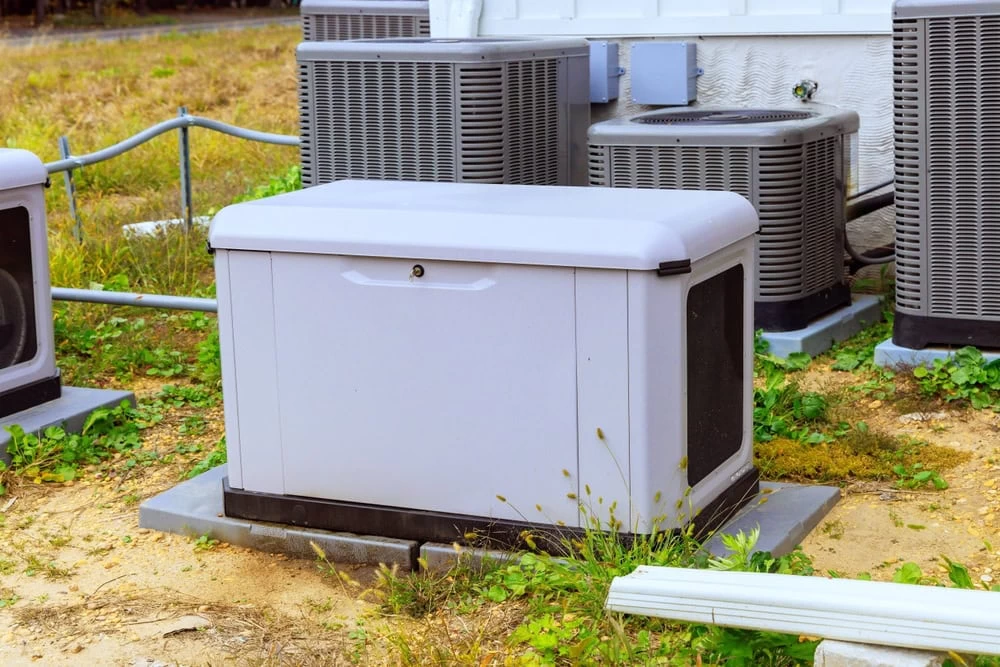
Sound dampening technology has improved significantly too. New installations operate at noise levels comparable to a central air conditioning unit, addressing neighborhood concerns while meeting local noise ordinances. This makes generator installation viable for smaller residential lots where noise was previously a limiting factor.
Installation positioning has evolved as well. Professional installers now consider wind patterns, drainage, and accessibility for maintenance when selecting placement. This strategic approach prevents common issues like flooding during heavy rains or wind damage during storms, problems that older installations often faced in Taylor County’s variable weather conditions.
Fuel Options Expand Beyond Traditional Natural Gas
Natural gas remains popular for generator installation, but fuel flexibility has become a major trend. Dual-fuel and tri-fuel systems allow switching between natural gas, propane, and gasoline depending on availability and cost.
This flexibility proves especially valuable in rural areas around Clyde where natural gas lines might not reach every property. Propane offers excellent shelf life and consistent performance, while gasoline provides an emergency backup option when other fuels aren’t available.
Hybrid Solar-Generator Systems Gain Traction
The combination of solar panels, battery storage, and traditional generators represents the cutting edge of backup power systems. These hybrid installations provide multiple layers of power security while reducing fuel consumption during extended outages.
During normal operation, solar panels charge battery banks that handle short outages without starting the generator. For longer outages or periods of limited sunlight, the generator automatically engages to maintain power and recharge batteries. This approach significantly reduces fuel costs and runtime hours on the generator itself.
Installation complexity is higher for hybrid systems, requiring coordination between solar installers, electricians, and generator technicians. However, the long-term benefits include reduced operating costs, quieter operation during daylight hours, and improved environmental impact. For Clyde residents interested in energy independence, hybrid systems offer the most comprehensive solution.
The technology has matured to the point where these systems integrate seamlessly. Battery management systems prevent overcharging, while smart controllers optimize when to use solar power, battery power, or generator power based on current conditions and predicted weather patterns.
Right-Sizing Becomes More Precise With Load Analysis
Modern generator installation begins with detailed electrical load analysis rather than rough estimates. Professional installers now use digital tools to measure actual power consumption patterns, identifying exactly which circuits need backup power and when.
This precision prevents both undersizing and oversizing issues that plagued earlier installations. Undersized generators struggle during peak demand, while oversized units waste fuel and money. The sweet spot requires understanding your specific power needs, not just square footage or general assumptions.
Load management systems work alongside properly sized generators to prioritize essential systems during startup and manage power distribution throughout an outage. Smart panels can automatically shed non-essential loads if demand exceeds generator capacity, ensuring critical systems stay powered.
Professional load analysis also identifies opportunities for energy efficiency improvements before installation. Sometimes upgrading to LED lighting or high-efficiency appliances allows a smaller, less expensive generator to meet the same backup power needs. This comprehensive approach saves money upfront and reduces long-term operating costs.
Professional Installation Ensures Long-Term Reliability
Generator installation trends mean nothing without proper professional installation. The complexity of modern systems demands licensed technicians who understand electrical codes, fuel systems, and local permitting requirements.
Professional installation includes proper concrete pad preparation, appropriate clearances from structures, and integration with your home’s electrical system. These details determine whether your generator provides reliable service for decades or becomes a source of ongoing problems and expense.
When you’re ready to explore generator installation options for your Clyde property, our licensed team handles everything from initial assessment through final testing, ensuring your backup power system delivers reliable performance when you need it most.