Summary:
You’ve got an electrical project. Maybe it’s a panel upgrade, some new outlets, or rewiring part of your home. You get a quote from a licensed electrician in Taylor County, then someone offers to do it for half the price, no permits, no paperwork, just fast and cheap.
Sounds tempting, right? Here’s what most homeowners in Callahan County, Eastland County, Jones County, and Taylor County don’t realize until it’s too late: that “savings” turns into thousands of dollars in losses when your insurance company denies your fire claim, or when a home inspector flags unpermitted work that kills your sale.
The difference between a licensed electrician and someone without credentials isn’t just a piece of paper. It’s the difference between protected and exposed. Let’s talk about what licensing actually means, why it matters for your wallet and your safety, and how to make sure the person working on your home’s electrical system won’t leave you holding the bag.
What Makes a Licensed Electrician Different in Texas
In Texas, becoming a licensed electrician isn’t a weekend course. It’s years of supervised training, thousands of documented hours, and passing state exams that test real-world knowledge of electrical systems and safety codes. The Texas Department of Licensing and Regulation sets these standards to protect homeowners from the electrical work that causes fires, injuries, and property damage.
A master electrician in Texas has completed at least 12,000 hours of on-the-job training under supervision, held a journeyman license for two years minimum, and passed comprehensive exams. That’s roughly six years of hands-on experience before they’re even eligible to test. Journeyman electricians need 8,000 hours of verified training before they can work independently. These aren’t arbitrary numbers, every hour represents actual time learning how to size conductors correctly, calculate electrical loads, install panels safely, and troubleshoot problems without creating new hazards.
Licensed electricians also complete continuing education annually to stay current with code changes. Texas adopted the National Electrical Code 2023 Edition in September 2023, and licensed professionals had to learn the updates to maintain their credentials. Unlicensed workers have no such requirement and often don’t even know what the current code requires.
Why Texas Requires Electrical Licensing and What It Protects You From
Texas electrical licensing exists for one reason: preventing deaths and property damage. The state tracks every licensed electrician through the TDLR, maintains public records of their credentials, and has the authority to investigate complaints and revoke licenses for violations. This system creates accountability that simply doesn’t exist with unlicensed workers.
When you hire a licensed electrician, you’re hiring someone who’s accountable to a regulatory body. They can’t just disappear if something goes wrong. They carry required liability insurance, minimum $300,000 per occurrence and $600,000 aggregate for contractors, which means if their work causes damage, there’s coverage to pay for it. Unlicensed workers rarely carry insurance, leaving you personally liable if they cause a fire, injury, or property damage.
Licensed electricians also understand electrical code compliance at a level that goes beyond basic wiring. They know how to interpret the National Electrical Code for your specific situation, understand local amendments that vary by jurisdiction in places like Abilene and surrounding areas, and can navigate the permit and inspection process without creating delays. They know which circuits need AFCI protection, where GFCI outlets are required, how to properly ground systems, and how to size panels for current and future loads.
The licensing requirement also creates a paper trail. When a licensed electrician pulls an electrical permit, there’s documentation of who did the work, when it was done, and that it passed inspection. That documentation protects your property value, satisfies homeowners insurance requirements, and gives future buyers confidence that your home’s electrical system is safe and legal. Without that documentation, you’re vulnerable on multiple fronts.
Perhaps most importantly, licensed electricians understand the liability they carry. They know that cutting corners can cost them their license, their livelihood, and their reputation in communities like Merkel, Clyde, and Baird. That creates a powerful incentive to do the job right the first time. Unlicensed workers face no such consequences, they can walk away from problems without any professional repercussions, leaving you to deal with the aftermath.
The difference shows up in the details. A licensed electrician knows that a 20-amp circuit requires 12-gauge wire, not 14-gauge. They understand why you can’t just add another outlet to an already-loaded circuit. They know how to properly bond and ground a panel. These technical details seem minor until they cause a fire or fail an inspection, and then they become extremely expensive problems.
The Texas Homeowner Exemption Myth That Costs People Thousands
Here’s where confusion costs Texas homeowners serious money. The state does have a “homeowner exemption” that allows you to perform electrical work on your own primary residence without holding an electrician’s license. People hear this and think they can skip all the rules. They’re wrong, and that misunderstanding leads to expensive consequences.
The exemption applies only to the licensing requirement. It does not exempt you from permits, inspections, or electrical code compliance. You still need to apply for permits through your local jurisdiction, submit plans showing what you’re doing, get your work inspected, and pass those inspections according to the same standards a licensed electrician would meet. The state of Texas controls who can call themselves an electrician, but cities and counties control building safety through permits and inspections, these are two separate things.
Here’s the catch that trips people up: many Texas cities and counties only issue electrical permits to licensed electricians. Some municipalities like Houston don’t allow homeowner permits for electrical work at all. Even when homeowner permits are available, you’re required to demonstrate competency to the electrical inspector, some jurisdictions require you to pass an exam before they’ll issue the permit. You’re also responsible for knowing and following the current National Electrical Code, which is hundreds of pages of technical requirements that most homeowners don’t understand.
And there’s another problem most DIYers don’t consider until it’s too late: once you start electrical work under a homeowner permit, you cannot get help from a licensed electrical contractor. Texas licensing law prohibits licensed contractors from touching work that a homeowner started. So if you get in over your head halfway through rewiring your kitchen, you’re stuck. You can’t call a professional to bail you out. You either finish it yourself or tear out everything you did and start over with a licensed electrician.
The financial consequences of misunderstanding this exemption are severe. Insurance companies scrutinize electrical work closely. If you file a claim for fire damage and the investigation reveals unpermitted DIY electrical work, your insurer can deny the entire claim. You’re left paying for all the damage yourself, potentially hundreds of thousands of dollars for a home fire.
When you sell your home, buyers’ inspectors look for unpermitted work. Texas law requires sellers to complete a disclosure notice that specifically asks about permits for additions, modifications, and repairs. If you claim you don’t know about unpermitted work when you actually did it yourself, that’s fraud under Texas Property Code. Buyers can walk away, demand you fix everything before closing, or sue you after the sale if they discover the deception. Lenders also care about permits, if an appraisal reveals unpermitted work, the lender may refuse to close until permits are obtained and inspections passed.
Even if you successfully complete DIY electrical work and it passes inspection, you’ve spent your time learning code requirements, making multiple trips to the permit office, scheduling inspections, and potentially redoing work that fails. Most homeowners who go this route discover that the “savings” evaporate when you factor in their time, mistakes, and the stress of navigating technical requirements without training. The people who think they’re saving money often end up paying double, once for their own failed attempt and again for a licensed electrician to fix it properly.
How Homeowners Insurance Requirements Make Licensing Non-Negotiable
Your homeowners insurance policy has fine print about electrical work. Most people never read it until they’re filing a claim and discovering their coverage doesn’t apply. Insurance companies have gotten increasingly strict about electrical work, and licensing status is a major factor in their coverage decisions across Taylor County and beyond.
Insurance underwriters evaluate electrical systems as a primary fire risk factor. They know the statistics: home electrical fires account for an estimated 51,000 fires each year, nearly 500 deaths, more than 1,400 injuries and $1.3 billion in property damage, according to the Electrical Safety Foundation International (ESFI). When they assess your property, outdated or improperly installed electrical systems directly impact your coverage eligibility and premiums. This isn’t abstract risk assessment, it’s based on decades of data showing that improper electrical work is a leading cause of catastrophic property loss.
Certain electrical panels trigger automatic denials. Federal Pacific Electric panels and Zinsco panels have documented failure rates that make insurance companies refuse to write policies on homes that have them. If you have one of these panels, most insurers require replacement by a licensed electrician before they’ll provide coverage. They may also deny coverage or charge higher premiums for homes with knob-and-tube wiring or aluminum wiring, both of which present elevated fire risks.
When Insurance Companies Deny Claims Over Unlicensed Work
Here’s how it typically plays out. A fire starts in your home. The fire department responds, and their investigation determines the fire originated in your electrical system. Your insurance company sends their own investigator. They examine the electrical work and discover it wasn’t permitted, wasn’t done by a licensed electrician, or doesn’t meet code requirements.
At that point, your policy’s exclusions kick in. Most homeowners insurance policies specifically exclude coverage for damage caused by faulty workmanship, lack of maintenance, or work that doesn’t meet code. If the electrical work that caused the fire was done by an unlicensed person or wasn’t properly permitted and inspected, the insurance company has grounds to deny your claim entirely. This isn’t about insurance companies looking for technicalities, it’s about whether the loss appears preventable, code-deficient, or tied to undocumented modifications.
This isn’t theoretical. It happens regularly to homeowners in Texas and across the country. People who hired unlicensed electricians to save a few hundred dollars end up facing six-figure repair bills that insurance won’t touch. The “cheap” electrical work becomes the most expensive mistake they’ve ever made. One 2025 report described homeowners being denied or canceled for having outdated wiring, not because a fire happened, but because insurers viewed the system as higher risk.
The problem extends beyond fires. If unpermitted electrical work causes power surges that damage your appliances, or if faulty wiring leads to other property damage, your insurance company will investigate how that work was done. Finding unlicensed or unpermitted work gives them leverage to reduce or deny your claim. Even if the electrical work itself didn’t directly cause the damage, insurance companies can argue that code violations contributed to the severity of the loss.
Insurance companies also care about electrical work when you’re trying to get coverage in the first place. Many insurers now require electrical safety inspections for homes over 25-40 years old before they’ll write a policy. If that inspection reveals unpermitted work, outdated wiring, or installations that don’t meet current code, they’ll either deny coverage, require you to fix everything first, or charge significantly higher premiums to offset the increased risk. For older homes common in rural areas of Callahan County, Eastland County, Jones County, and Taylor County, this can be a major obstacle to obtaining affordable insurance.
The documentation that comes with licensed electrical work, permits, inspection certificates, and contractor credentials, protects you in these situations. When you can show that a licensed electrician did the work, pulled proper electrical permits, and passed inspections, your insurance company has no grounds to question whether the work was done correctly. That documentation is worth far more than the cost difference between licensed and unlicensed work. It’s the proof that stands between you and a denied claim when you need your insurance most.
What Electrical Safety Inspections Reveal About Unlicensed Work
Professional electrical safety inspections routinely uncover problems created by unlicensed work. Licensed electricians conducting inspections in Taylor County and surrounding areas see the same mistakes repeatedly: improper wire sizing that creates fire hazards, overloaded circuits, missing ground fault protection in wet areas, panels installed without proper clearances, and connections that don’t meet code requirements. These patterns emerge because unlicensed workers simply don’t have the training to know what’s required.
These aren’t minor technical violations. They’re safety hazards that put your family at risk every day. Undersized wires overheat when they carry too much current. Overloaded circuits can cause breakers to fail or wiring to catch fire behind your walls. Missing GFCI protection in bathrooms and kitchens means a ground fault could electrocute someone instead of shutting off power. Panels installed too close to plumbing or without proper access clearances create both safety hazards and code violations that fail inspections.
Unlicensed workers often don’t understand load calculations. They’ll add circuits without considering whether your panel can handle the additional load, or they’ll use the wrong wire gauge for the amperage. They skip safety devices like AFCI breakers because they don’t understand why they’re required or want to save the cost. They make connections that look fine but create resistance points that heat up over time. They don’t properly torque terminal screws, leaving loose connections that arc and overheat.
The really dangerous part is that these problems often don’t show up immediately. The work might seem fine for months or years. Then one day you plug in a space heater, the circuit overloads, and instead of the breaker tripping, the wire overheats inside your wall and starts a fire. Or moisture gets into an improperly installed junction box and creates a short circuit. By the time the problem manifests, the unlicensed worker is long gone and unreachable.
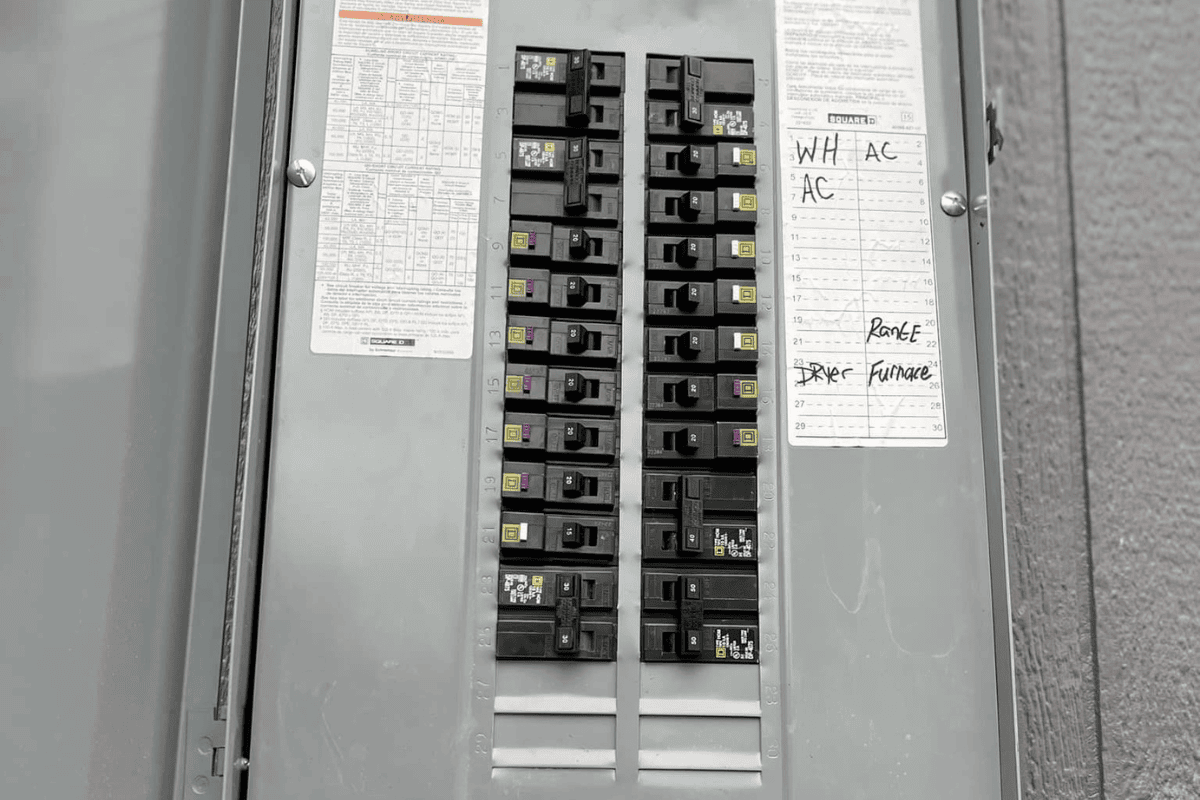
Regular electrical safety inspections by licensed electricians can catch these issues before they cause damage. They’ll check your panel for proper sizing and labeling, test outlets and switches for correct operation, examine visible wiring for damage or code violations, verify that GFCI and AFCI protection is installed where required, assess whether your electrical system can safely handle your home’s current demands, and identify outdated components that present safety risks. The National Fire Protection Association recommends electrical inspections every three to five years, with more frequent inspections for older homes.
For older homes in Callahan County, Eastland County, Jones County, and Taylor County, these inspections are particularly important. Many homes in rural Texas were built decades ago with electrical systems designed for far less power consumption than modern households require. Adding air conditioning, multiple computers, kitchen appliances, and other loads to a system designed for a few lights and a refrigerator creates real safety risks. A licensed electrician can evaluate whether your system needs upgrades before problems occur, potentially saving you from a fire or costly equipment damage.
Inspections also reveal whether previous work was done properly. If you’re buying a home or inherited one, you might not know what electrical work was done or who did it. An electrical safety inspection provides clarity about what you’re dealing with and what needs attention. That information is valuable for budgeting future repairs and understanding your risk exposure.
Making the Right Choice for Your Home's Electrical Work
The decision to hire a licensed electrician isn’t just about following rules. It’s about protecting your investment, your family’s safety, and your financial security. The cost difference between licensed and unlicensed work is minimal compared to the risks you take by cutting corners.
When you hire a licensed electrician, you get verifiable credentials through the Texas Department of Licensing and Regulation, required liability insurance coverage, accountability through state licensing boards, work that meets current electrical code compliance standards, proper electrical permits and inspections, and documentation that protects your property value and homeowners insurance requirements. You also get someone who has the training and experience to do the job right the first time, which saves you money in the long run by avoiding do-overs, failed inspections, and insurance problems.
The people who cut corners on electrical work often learn these lessons the hard way, when their insurance claim gets denied, when their home sale falls through, or when an electrical fire destroys property that could have been protected. Don’t let that be you. The few hundred dollars you might save by hiring unlicensed help isn’t worth the potential six-figure loss when things go wrong.
If you’re in Callahan County, Eastland County, Jones County, or Taylor County and you need electrical work done right, we bring proper Texas licensing and a commitment to code-compliant work that protects your home and your peace of mind. Our team of licensed electricians understands both the technical requirements and the documentation needs that keep you covered with your insurance and maintain your property value for the long term.