Summary:
If you’ve lived in Taylor County long enough, you already know the drill. A storm rolls through, the lights flicker, and then, nothing. Sometimes power comes back in an hour. Sometimes it’s three days. And if it’s July, with temps pushing past 96°F, that’s not just an inconvenience. It’s a real problem.
A whole house generator changes that equation completely. Instead of scrambling for flashlights or hauling out a portable unit, your home just… stays on. Automatically. This guide covers everything you need to make a smart decision, from how these systems work to what they cost and what professional installation actually involves.
Electric Generator for Home: How Standby Systems Actually Work
A whole house standby generator isn’t the same thing as the portable unit sitting in your garage. It’s a permanently installed system connected directly to your home’s electrical panel and your fuel supply, natural gas or propane, that kicks on automatically the moment it detects a power outage.
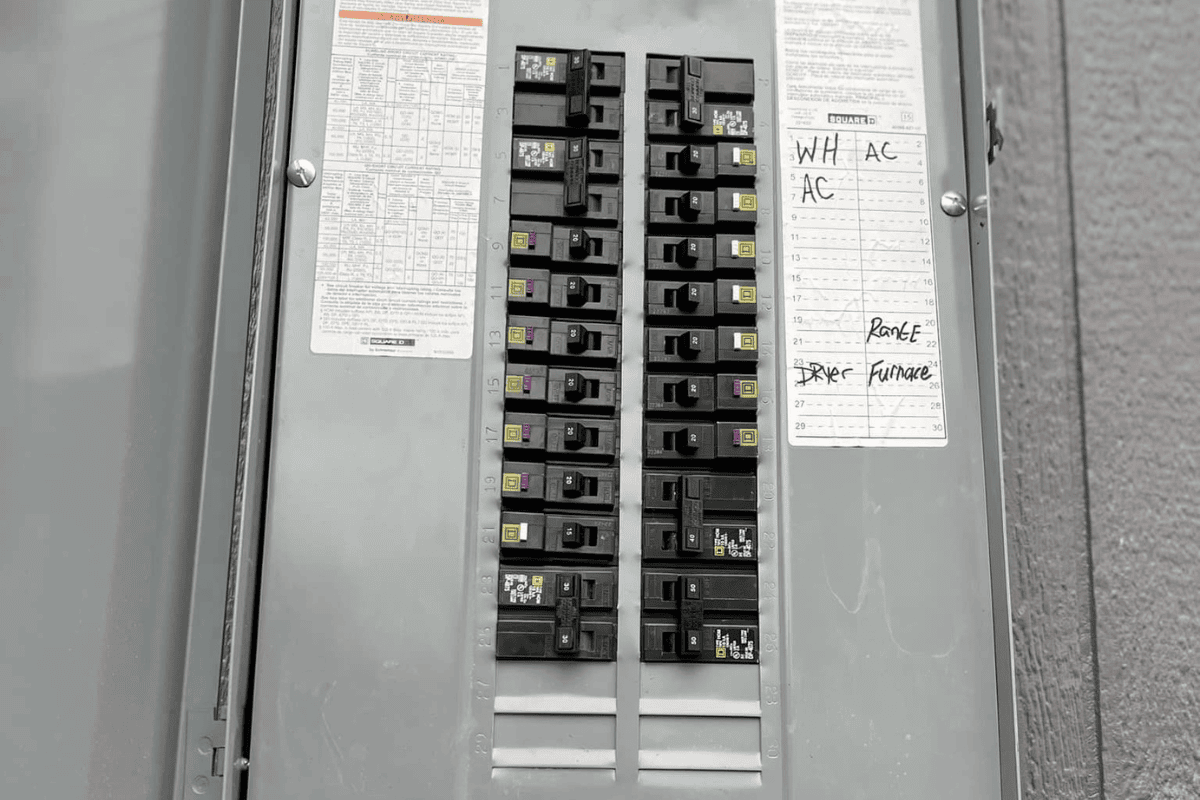
The key component is the automatic transfer switch. It monitors your utility feed around the clock, and when power drops, it disconnects your home from the grid, starts the generator, and restores power, all within seconds. When utility power comes back, the process reverses on its own.
Most standby generators also run a short self-test once a week, so you’re not left wondering whether it’ll actually work when you need it. That’s the core difference between a standby system and a portable: one requires nothing from you, the other requires everything from you at exactly the wrong moment.
Standby vs. Portable Generators for Home Use: What's the Real Difference?
Portable generators have their place. They’re affordable upfront and fine for camping or powering a few appliances during a short outage. But they come with real limitations that matter a lot when you’re dealing with a multi-day outage in West Texas heat.
For one, they run on gasoline, which means you need to have fuel stored, and you need to go get more when you run out. During a major outage event, gas stations are often out of fuel or have lines around the block. You’re also limited in what you can power. Most portable units top out at 5,000 to 10,000 watts, which isn’t enough to run central air conditioning alongside your refrigerator and other essentials. And they have to be operated outdoors, away from windows and doors, because of carbon monoxide risk, which means running extension cords, managing the noise, and physically going outside every time you need to start or stop it.
A whole house standby generator eliminates all of that. It runs on natural gas or propane, fuel that’s already connected to your home, so there’s nothing to store and nothing to haul. It powers your entire home through your existing electrical system, not extension cords. And because it starts automatically, you don’t have to do anything. If you’re away when the power goes out, your home is still protected. Your refrigerator keeps running. Your HVAC keeps running. If you have medical equipment, it keeps running.
For Taylor County homeowners, particularly those in rural areas around Merkel, Tye, or out near Fort Phantom Hill where restoration times can stretch well beyond what AEP Texas handles in Abilene proper, that level of reliability isn’t a luxury. It’s the whole point.
Home Generator Installation: What the Process Looks Like From Start to Finish
One of the most common questions we hear is some version of: “What does installation actually involve?” It’s a fair question, because this isn’t a one-afternoon job. Done right, it’s a multi-step process, and knowing what to expect makes the whole thing less intimidating.
It starts with a load calculation. Before any equipment is ordered, a licensed electrician needs to assess your home’s electrical demand, your HVAC system, your appliances, your water heater, your well pump if you have one. This determines the right generator size. Skipping this step and guessing is how people end up with a generator that can’t actually power their home, or one that’s wildly oversized and costs more to run than necessary.
Once the right unit is selected, the installation involves several components working together. A concrete pad is poured to manufacturer specifications, this is required by most manufacturers and local codes, and it keeps the generator stable and off the ground. The automatic transfer switch is wired into your main electrical panel. The fuel line is connected, whether that’s tapping into an existing natural gas line or running a line from a propane tank on your property. For rural Taylor County homes without natural gas access, propane is the standard solution, and tank sizing matters, a 500-gallon tank gives you meaningful runtime during an extended outage.
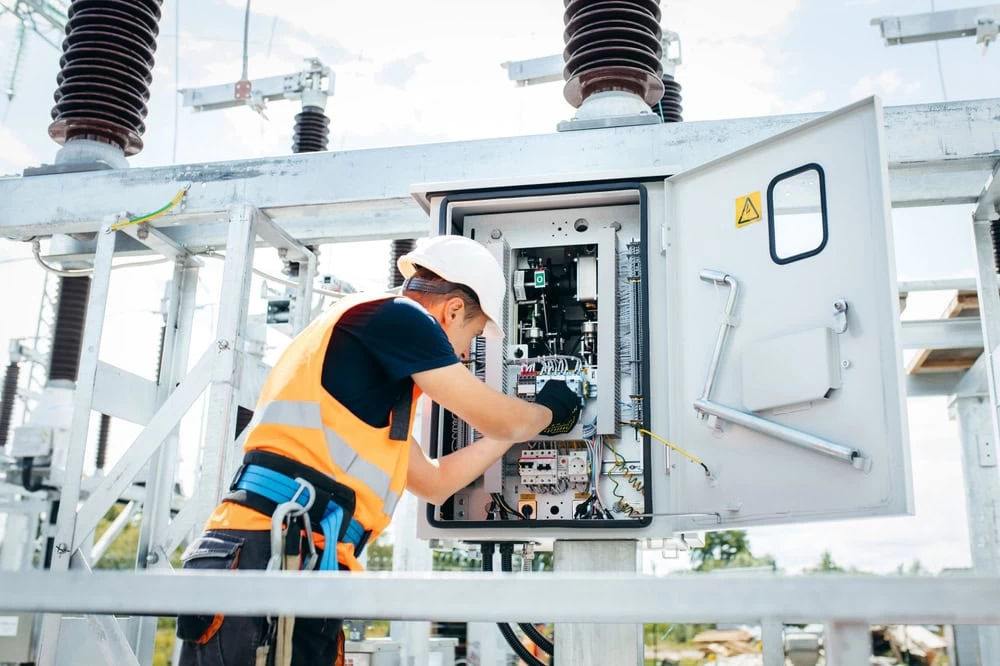
After everything is connected, the system is tested under load. The weekly exercise cycle is programmed. You get a walkthrough of how the system operates and what to expect. And then a permit inspection is scheduled, because in Texas, generator installation requires a permit and must be performed by a TDLR-licensed electrician. That’s not optional, it’s state law. Any installer who tells you otherwise is cutting corners that could cost you your warranty, your insurance coverage, or worse.
The full installation typically takes one to two days for a standard residential system, though more complex setups or homes requiring additional panel work may take longer.
Backup Generator for Home: Choosing the Right Fuel Type for Taylor County
Fuel type is one of the first decisions you’ll make, and it’s worth getting right. The three options for whole house standby generators are natural gas, propane, and diesel, and each has trade-offs that look different depending on where you live in Taylor County.
Natural gas is the most convenient option if your home is already connected to a gas line. It’s clean-burning, continuously supplied, and doesn’t require any on-site storage. For homeowners in Abilene proper, this is often the simplest path.
Best Generator for Home Backup Power: Natural Gas vs. Propane in West Texas
For homeowners in rural Taylor County, in Merkel, Clyde, Buffalo Gap, or out on acreage, natural gas lines aren’t always an option. That’s where propane becomes the practical choice, and it’s a solid one. Propane burns cleanly, stores well, and gives you full control over your fuel supply. A 500-gallon tank provides enough fuel to run a whole house generator for several days under normal load, which covers most outage scenarios comfortably. The main trade-off is that you’re managing a tank, you need to keep it filled, and during an extended outage, you’ll want to monitor consumption.
One thing worth knowing: during the 2021 winter storm that knocked out power across the ERCOT grid for days, including right here in Taylor County, natural gas supply was also disrupted in some areas because the gas infrastructure itself was affected by the freeze. It wasn’t universal, but it happened. Propane stored on-site isn’t subject to that same vulnerability, which is one reason some homeowners with natural gas access still choose propane for their generator specifically.
The right choice depends on your property, your existing infrastructure, and your priorities. That’s exactly the kind of thing a proper site assessment covers before any equipment is ordered. There’s no single right answer, there’s the right answer for your specific situation.
Diesel generators are common in commercial and industrial settings, and they do have advantages, diesel fuel has a higher energy density than natural gas or propane, which means more output per gallon. They’re also well-suited for heavy, continuous loads and can run for extended periods on a single tank.
For most residential applications in Taylor County, though, diesel isn’t the first recommendation. Diesel units tend to cost more upfront. They require on-site fuel storage, and diesel fuel has a shelf life, it degrades over time and needs to be treated or rotated if the generator sits unused for months. Compared to a natural gas or propane standby system that draws from a continuous or stable supply, diesel adds a layer of fuel management that most homeowners don’t want to deal with.
That said, if you’re running a working ranch or agricultural operation alongside your home, water pumps, equipment, refrigeration for livestock medications, diesel may warrant a conversation. The load requirements and runtime expectations of a working property are different from a standard residential setup, and there are scenarios where diesel makes sense. The key is having an honest conversation about your actual needs before deciding. A generator that’s right for a 2,500-square-foot home in Abilene isn’t necessarily right for a 50-acre property outside of Merkel.
Whole House Generator Cost: What to Budget for in Taylor County
Cost is where most people want to start, and it’s understandable, this is a real investment. For a fully installed whole house standby generator, the typical West Texas range runs from $9,000 to $15,000, with the most common setup (a 22kW air-cooled unit on natural gas) landing around $11,000 to $14,000 depending on the size of the home, the generator capacity, and the complexity of the installation. Our whole-house generator cost guide breaks the numbers down.
That number covers the generator unit itself, the automatic transfer switch, the concrete pad, fuel line connection, permitting, labor, and testing. Breaking it apart helps put it in context.