Summary:
What Causes an Electrical Outlet to Feel Warm
Outlets aren’t supposed to generate heat. When they do, it means something’s creating resistance in the electrical flow, and that resistance turns into heat. Think of it like friction, when things aren’t moving smoothly, they heat up.
Most of the time, a warm outlet points to one of a few common issues. The connections behind the outlet might be loose. The circuit could be handling more load than it should. The outlet itself might be wearing out after years of use. Or the device you’ve plugged in could be drawing more power than the outlet was designed to handle safely.
Understanding what’s happening behind that faceplate helps you make better decisions about whether you need to unplug everything and call someone right away, or if you can wait until normal business hours to get it checked out.
Loose or faulty electrical connections behind your outlet
Behind every outlet, there are wires connected to terminal screws. When those connections aren’t tight, electricity has to work harder to flow through. That extra resistance creates heat, sometimes enough heat to damage the outlet, melt wire insulation, or even start a fire.
Loose connections happen for a few reasons. Sometimes the original installation wasn’t done correctly. Sometimes the connections loosen over time as the outlet gets used repeatedly. In older homes, the constant expansion and contraction from temperature changes can work connections loose over the years.
There’s also something called backstabbing, where wires are pushed into holes in the back of the outlet instead of being properly secured under terminal screws. It’s a shortcut some electricians take to save time. The problem is those connections don’t hold as well and they’re more likely to create resistance and heat over time.
If you’ve got a warm outlet and you’ve ruled out everything else, loose connections are often the culprit. You won’t be able to see this problem from the outside. It requires turning off the power, removing the outlet, and checking every connection. That’s work for a licensed electrician, not a DIY project. One wrong move with live wires and you’re looking at serious injury or worse.
The fix usually involves tightening existing connections or completely replacing the outlet if the terminals are damaged. A qualified residential electrician will also check the circuit for other potential issues while they’re in there, because if one outlet has loose connections, others on the same circuit might too.
Overloaded circuits and too many devices drawing power
Your home’s electrical system is designed with specific capacity limits. Each circuit can handle only so much power before it starts to struggle. When you plug in more devices than the circuit can comfortably handle, you’re overloading it. The outlet becomes the weak point where that overload shows up as heat.
This happens a lot in kitchens and home offices. You’ve got the coffee maker, toaster, and microwave all on the same circuit. Or you’ve got your computer, monitor, printer, phone charger, and desk lamp all plugged into one outlet or power strip. Each device pulls power, and when the total load exceeds what that circuit was designed for, things start heating up.
The electrical code says you shouldn’t draw more than 80% of a circuit’s capacity under normal use. That extra 20% is your safety buffer. But most people don’t think about that when they’re plugging things in. They just know they need power and there’s an outlet right there.
Older homes face an even bigger challenge. Houses built 40 or 50 years ago weren’t designed for the electrical demands of modern life. Back then, you didn’t have multiple computers, large-screen TVs, gaming systems, phone chargers, and all the other devices we use today. The circuits that were adequate then simply can’t keep up now.
If you notice an outlet getting warm when you’re using several high-power devices, that’s your electrical system telling you it’s working too hard. The solution might be as simple as redistributing your devices across different circuits. Or you might need a licensed electrician to add new circuits or upgrade your electrical panel to handle your home’s actual power needs.
Ignoring an overloaded circuit doesn’t just risk damaging your outlets. It increases your chances of an electrical fire. Circuit breakers are supposed to trip when there’s too much load, but they don’t always catch the problem before heat builds up in the wiring and outlets.
When a Warm Outlet Becomes an Emergency
There’s a difference between warm and hot. A slightly warm outlet after you’ve been running a space heater or charging multiple devices might not be an emergency. An outlet that’s hot to the touch, or one that’s warm when nothing’s plugged into it, is a different story entirely.
If you can’t comfortably keep your hand on the outlet, it’s too hot. If you smell burning plastic or see any discoloration around the outlet, that’s an emergency. If the outlet is sparking, buzzing, or has stopped working entirely, you need to act immediately.
These aren’t problems that get better on their own. They get worse. And “worse” in electrical terms often means fire.
Signs you need to call an electrician right away
Some warning signs don’t give you the luxury of waiting until tomorrow or scheduling an appointment next week. When you see certain symptoms, you need to stop using that outlet, turn off the circuit breaker that controls it, and get a licensed electrician out to your home as soon as possible.
Scorch marks or discoloration around the outlet mean the plastic has been getting hot enough to burn. That doesn’t happen from normal use. It means something’s seriously wrong with the wiring or the outlet itself. The longer you wait, the higher your risk of an electrical fire.
A burning smell coming from an outlet or switch is never normal. That smell means insulation is melting or components are overheating. Even if you don’t see flames, the conditions for a fire are developing. Unplug everything from that outlet immediately and kill the power to that circuit.
Sparks when you plug something in or unplug it aren’t always cause for panic, a tiny spark can be normal. But visible sparks, especially accompanied by a popping sound, indicate a serious problem. The outlet could have damaged internal components, or there could be a short circuit in the wiring.
Outlets that feel hot to the touch, not just warm, need immediate attention. Hot means there’s significant resistance somewhere in the circuit, and that resistance is generating dangerous levels of heat. This is especially true if the outlet is hot when nothing’s plugged into it. That points to a wiring problem, not just an issue with a device you’re using.
Buzzing or humming sounds from outlets or switches indicate loose connections or failing components. Electricity flowing through loose connections creates arcing, which makes noise and generates heat. This is a fire waiting to happen.
In rural areas of Callahan County, TX, Eastland County, TX, Jones County, TX, and Taylor County, TX, response times for emergency services can be longer than in urban areas. That makes it even more important to address electrical problems before they become emergencies. A small electrical fire can become a major disaster quickly, especially if help is 20 or 30 minutes away.
What to do before the electrician arrives
Once you’ve identified a problem that needs professional attention, there are steps you should take to keep your home safe while you wait for help. These aren’t permanent fixes, they’re temporary measures to reduce risk until a licensed electrician can properly diagnose and repair the issue.
First, stop using the problem outlet immediately. Unplug everything connected to it. If the outlet feels hot or you smell burning, don’t touch it with bare hands. Use a glove or towel to unplug devices if you need to.
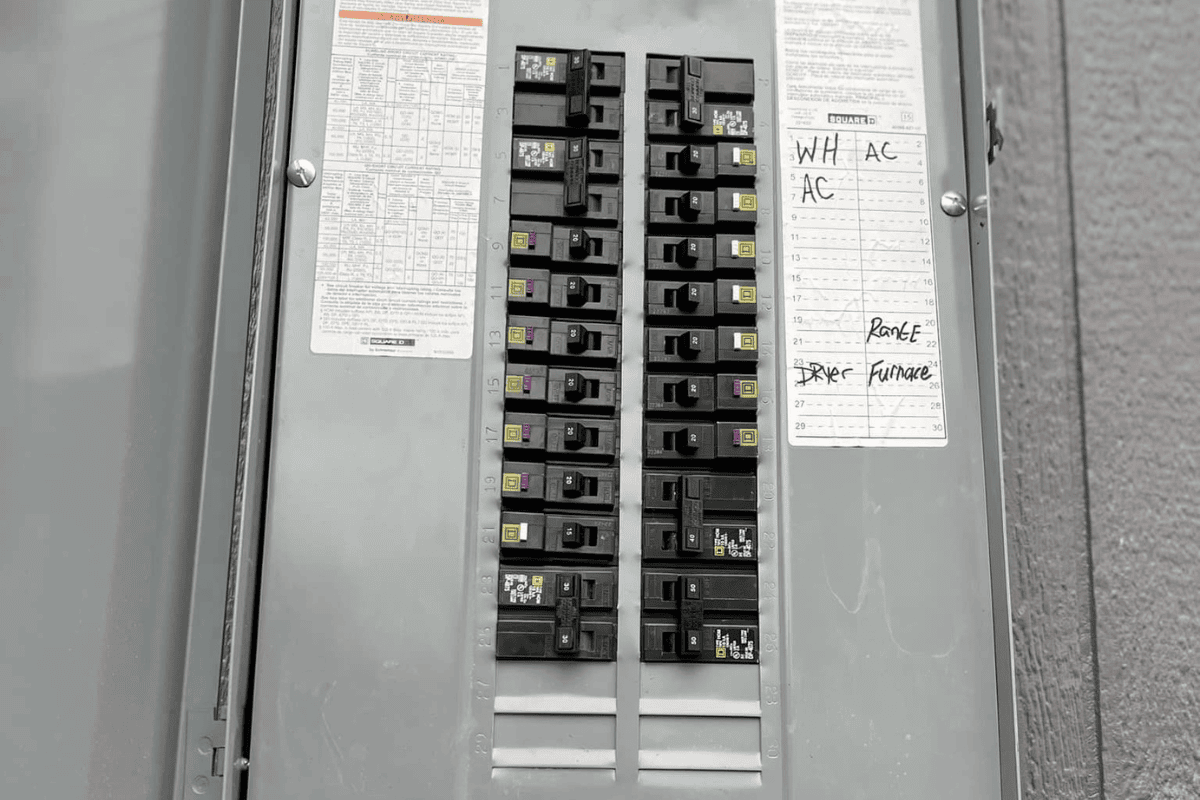
Next, locate your electrical panel and turn off the circuit breaker that controls that outlet. If you’re not sure which breaker it is, you might need to test a few. Once you’ve found the right one, flip it to the off position. Put a piece of tape over it and write a note so nobody turns it back on before the electrician arrives.
If you can’t figure out which breaker controls the problem outlet, or if the outlet is still hot even after you’ve turned off what you think is the right breaker, you might need to shut off the main breaker to your home. That’s not ideal, but it’s better than risking a fire.
Don’t try to remove the outlet cover or inspect the wiring yourself. Even with the breaker off, there’s a risk you could make the problem worse or create new hazards. Electrical work isn’t like other home repairs. The risks are too high to learn by trial and error.
Keep family members away from the problem outlet. If you’ve got kids, make sure they know that outlet is off-limits. The same goes for pets who might chew on cords or investigate interesting smells.
Document what you’ve observed. Write down when you first noticed the problem, what the outlet felt like, whether you smelled anything, and what devices were plugged in at the time. This information helps your electrician diagnose the issue more quickly when they arrive.
If you’re in the Taylor County, TX area and need emergency electrical repair services, we understand the unique challenges of older homes and rural properties in West Texas. We know that many homes in Abilene and surrounding communities were built decades ago with electrical systems that aren’t equipped for today’s demands.
Protecting your home with professional outlet and switch repair
A warm outlet might seem like a minor inconvenience, but it’s often the first warning sign of a problem that could put your home and family at risk. The good news is that most of these issues are straightforward to fix when you catch them early and get the right help.
The key is knowing when to act. If an outlet is consistently warm, if it’s hot to the touch, or if you notice any of the warning signs we’ve covered, don’t wait. The longer you put it off, the more likely a small problem becomes a big one.
Licensed electricians have the training, tools, and experience to diagnose electrical issues safely and fix them correctly. They can tell you whether you need a simple outlet replacement or if there’s a larger issue with your home’s wiring or electrical panel. Either way, you’ll have peace of mind knowing the work was done right.
If you’re dealing with warm outlets, flickering lights, or any other electrical concerns in Callahan County, TX, Eastland County, TX, Jones County, TX, or Taylor County, TX, our licensed electricians understand local codes, give you a clear price before work starts, and focus on getting your electrical system working safely so you can get back to what matters.