Summary:
What Size Generator Does Your Home Actually Need?
This is the first question for a reason. Get the sizing wrong, and everything else falls apart. Too small, and your generator can’t power essential systems during an outage. Too large, and you’ve overspent on capacity you’ll never use.
Generator size isn’t about square footage alone. It’s about calculating the actual electrical load your home requires. That means adding up the wattage of everything you want to keep running, HVAC system, refrigerator, well pump, security system, medical equipment, lights. Some appliances need more power to start up than they do to run, which affects your total capacity needs.
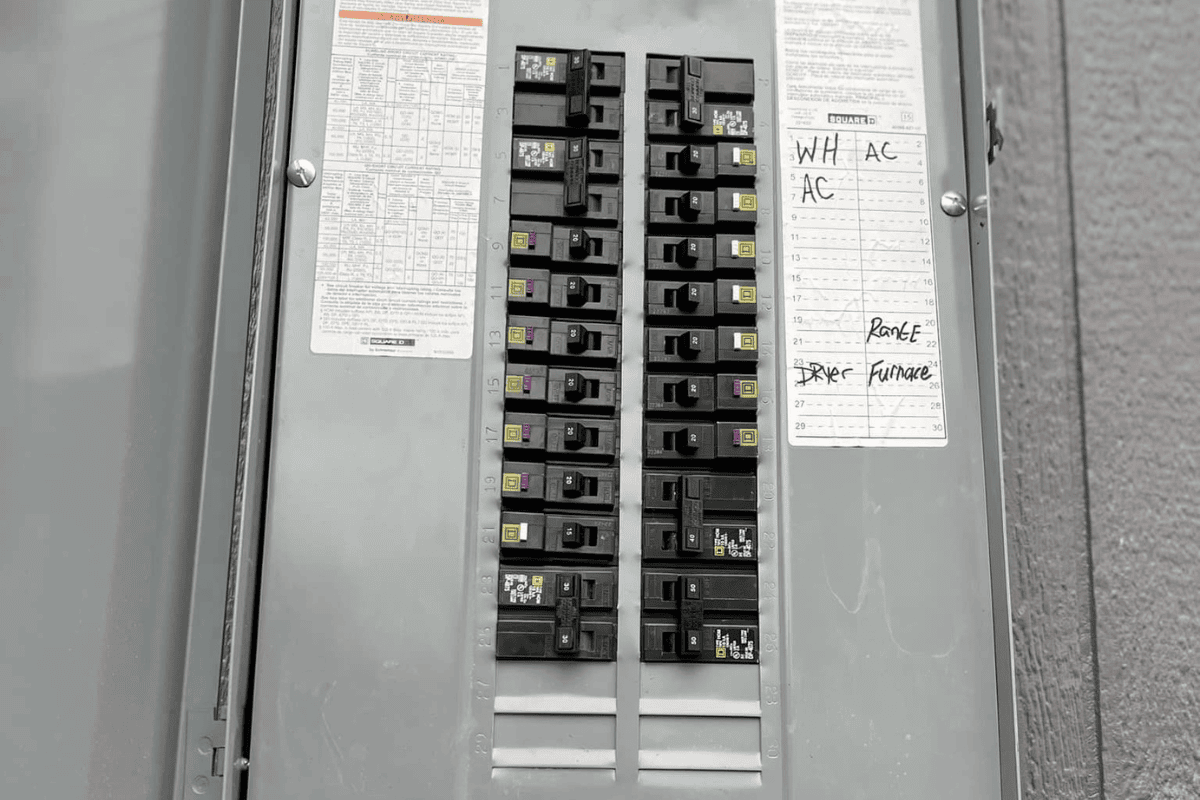
A qualified electrician should perform a load calculation before recommending a generator size. We look at your electrical panel, ask about your priorities during an outage, and factor in whether you want whole-home coverage or just essential circuits. Most homes in the 2,000 to 3,000 square foot range need somewhere between 13 and 20 kilowatts, but your situation might be different.
How Generator Sizing Affects Installation Cost
Here’s what most homeowners don’t realize until they start getting quotes: the generator unit itself is only part of your total cost. Installation typically runs close to the cost of the equipment. A generator that costs $6,000 might result in a total project cost of $13,000 or more once you factor in labor, materials, permits, and gas line work.
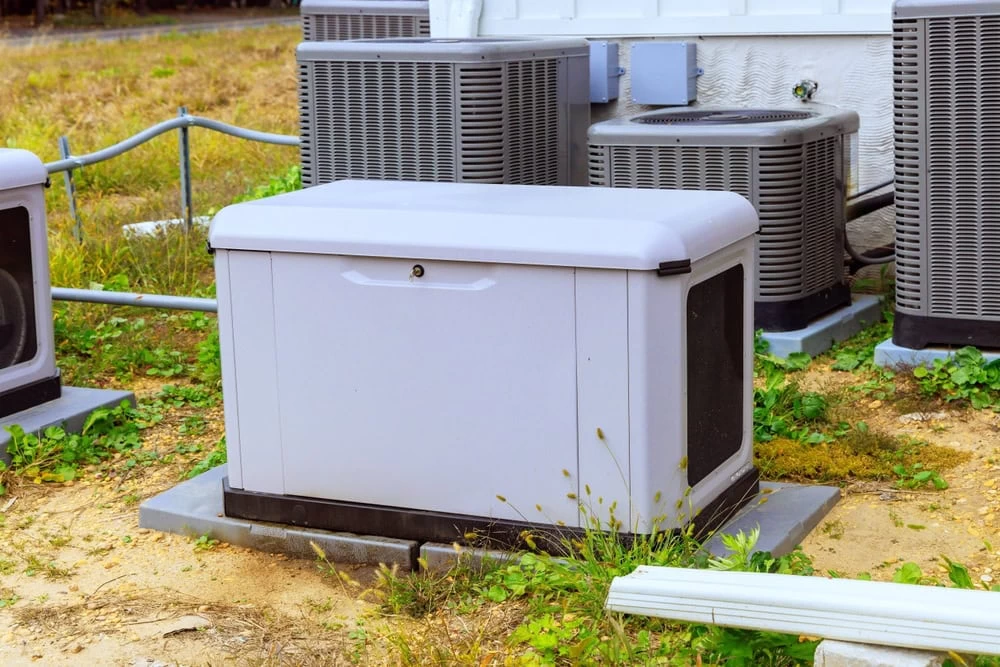
Larger generators require more complex installations. They’re heavier, need bigger concrete pads, and often require liquid cooling systems that add to both equipment and labor costs. The distance between your generator location and your electrical panel also matters. If your gas meter and electrical panel are on opposite sides of your house, expect higher installation costs for running gas lines and electrical conduit.
That’s why sizing matters so much. You want enough capacity to cover your needs without paying for power you’ll never use. A 20-kilowatt generator costs more than a 14-kilowatt unit, but if you don’t need that extra capacity, you’re throwing money away on both the equipment and the installation work.
The fuel source you choose affects sizing decisions too. Natural gas generators are convenient if you’re already connected to a gas line. Propane requires tank installation and regular refills, but it’s often the better choice for homes in more rural parts of Eastland County or Callahan County without natural gas access. Diesel generators offer the longest runtime between oil changes, but they’re typically reserved for larger commercial applications.
We walk you through these trade-offs and explain how each decision impacts your upfront cost and long-term operating expenses. If a contractor is pushing you toward the biggest generator without asking detailed questions about your actual needs, that’s a red flag.
What Happens If You Choose the Wrong Size
Undersizing your generator means you’ll be making tough choices during an outage. Do you run the air conditioning or keep the refrigerator going? Can you power the well pump and the security system at the same time? These aren’t theoretical questions. When the power’s been out for six hours in July and your house is heating up, you’ll wish you’d sized properly.
But oversizing creates problems too. Generators that run at low loads for extended periods don’t operate efficiently. They can develop carbon buildup, which leads to maintenance issues and shortened equipment life. You’re also paying higher fuel costs to run a larger unit that’s only using a fraction of its capacity.
There’s also the issue of your home’s electrical system. If your electrical panel is rated for 200 amps, your automatic transfer switch needs to match that capacity. Trying to retrofit an undersized generator later means you might need to upgrade your transfer switch and potentially your electrical panel, which adds thousands to the cost.
The right approach is to work with an electrician who takes the time to calculate your actual load requirements. We ask about your priorities, look at your electrical panel and main appliances, and explain the trade-offs between essential-circuits coverage and whole-home backup. This conversation should happen before you buy any equipment, not after.
Some contractors will try to sell you a generator based on your home’s square footage or by showing you what your neighbors bought. That’s not how proper sizing works. Every home has different electrical demands based on the number of occupants, types of appliances, heating and cooling systems, and whether anyone relies on medical equipment that requires power.
If you’re in Taylor County or Jones County and the contractor isn’t asking detailed questions about your specific situation, keep looking. A proper load analysis is the foundation of a successful generator installation. Without it, you’re guessing, and guessing wrong can cost you thousands of dollars to fix later.
Who Handles the Permits and What Do They Cover?
Generator installation isn’t a DIY project, and it’s not just because of the technical complexity. Local municipalities require permits for generator installations, and for good reason. These systems involve electrical connections to your home’s main panel, gas line installations, and equipment that produces exhaust. Done wrong, they can create serious safety hazards.
The permit process covers several areas. The electrical permit ensures your generator connects safely to your home’s electrical system through an automatic transfer switch. The mechanical permit covers the generator unit itself and its installation. If you’re adding or extending gas lines, you’ll need a gas permit. Some areas also require zoning approval for generator placement, especially if you’re close to property lines.
Here’s what you need to know: a legitimate licensed contractor handles all of this. We submit the applications, provide the required drawings and specifications, and coordinate the inspections. You shouldn’t be filling out permit applications yourself. If a contractor asks you to do that, walk away.
Why Permits Matter More Than You Think
Some homeowners see permits as bureaucratic hassle. They’re not. Permits make the contractor the responsible party if code violations are found during inspection. That means if something isn’t installed correctly, the contractor has to fix it, not you.
The inspection process also catches problems before they become dangerous. Inspectors verify that electrical connections are made correctly, gas lines are properly sized and leak-tested, and the generator is positioned safely with adequate clearance for ventilation and maintenance. These aren’t optional safety measures. They’re requirements that protect your home and family.
Without proper permits and inspections, you also face potential problems with your homeowner’s insurance. If a generator-related fire or carbon monoxide incident occurs and the system wasn’t permitted and inspected, your insurance company might deny the claim. That’s a risk no homeowner should take.
The permit process also ensures your installation meets manufacturer requirements for warranty coverage. Most generator manufacturers require professional installation by a licensed contractor following local codes. If you skip permits or use an unlicensed installer, you might void your warranty before you ever use the generator.
In Taylor County and surrounding areas, permit fees typically add a few hundred dollars to your project cost. That’s a small price for the protection permits provide. We include permit costs in our estimates and handle all the paperwork and inspections as part of our service.
If a contractor offers to skip permits to save money or time, that’s a major red flag. It means they’re either not properly licensed or they’re cutting corners on safety. Either way, you don’t want them working on your home. The short-term savings aren’t worth the long-term risks.
What the Installation Timeline Actually Looks Like
Understanding the permit process helps you set realistic expectations for your installation timeline. The actual installation work might only take one to three days, but the full process from consultation to final inspection takes longer.
First, you’ll have an initial consultation where we assess your home, discuss your power needs, and recommend the right generator size and placement. This visit should be free, and it’s your opportunity to ask questions and get a detailed estimate.
Once you agree to move forward, we order your generator and submit permit applications. Permit approval can take anywhere from a few days to a few weeks depending on your local municipality and how busy they are. This is one reason you don’t want to wait until hurricane season is approaching to start this process.
After permits are approved, installation can begin. We prepare the site, which might include pouring a concrete pad for the generator to sit on. We run electrical conduit from your main panel to the generator location and install the automatic transfer switch. If you’re using natural gas, we extend the gas line. For propane systems, we set up the tank and make the connections.
Once the physical installation is complete, the system needs to be tested and inspected. The local inspector verifies that everything meets code requirements. After passing inspection, we walk you through how your system works, including how to monitor it and when to schedule maintenance.
The whole process typically takes anywhere from two to six weeks from initial consultation to final inspection. If you’re in a rural part of Callahan County or Eastland County, equipment delivery might take longer. Weather can also delay concrete work or installation days.
Plan ahead. If you’re thinking about generator installation, start the process well before you think you’ll need it. Waiting until severe weather is forecast means you’ll be competing with other homeowners for contractor availability, and you might end up waiting months for installation.
Making Your Generator Installation Decision
Generator installation is a significant investment, but it’s one that pays off in protection and peace of mind. The key is doing it right the first time by asking these questions before you commit to a contractor or equipment.
Focus on proper sizing based on your actual electrical load, not just your home’s square footage. Make sure your contractor handles all permits and follows local codes. Understand the total cost including installation, not just the equipment price. Choose a licensed electrician with experience in generator installations, not just someone who claims they can figure it out.
For homeowners in Taylor County, Callahan County, Eastland County, and Jones County, working with a local contractor who understands area codes and weather patterns makes a difference. At Hooked Up Electric, we are committed to quality installations that meet current safety standards. When you’re ready to protect your home with reliable backup power, we’re here to help you make the right decisions for your specific needs.