
Summary:
Choose the Right Location for Your Generator Installation
When it comes to locating your home standby generator, safety comes first. Install your generator in a safe location that won’t pose a carbon monoxide threat to your family or neighbors: never inside, and at least five feet from windows, doorways, or soffit vents.
We recommend installing the generator close to the gas supply to minimize plumbing costs. Position the generator close to the electrical panel and fuel source to minimize installation costs and reduce the length of wiring and piping needed. This smart placement saves you money upfront and makes future maintenance easier.
Your generator also needs proper clearances for ventilation and service access. Guidelines typically require the generator top be at least 60 inches from the roof, 60 inches away from doors, windows, vents, or house openings, and at least 36 inches from any obstruction.
Understanding San Angelo's Weather-Related Installation Challenges
San Angelo’s weather creates unique challenges for generator installations, with recent incidents showing how morning weather conditions can cause equipment failures at substations, damaging wiring and tripping stations. This means your generator needs to be built to handle West Texas conditions.
Icy, cold weather in San Angelo and surrounding areas regularly leads to power outages, with transmission lines between communities failing during winter storms. Your generator installation needs to account for these seasonal extremes.
The concrete pad foundation becomes even more critical in our climate. Your generator should rest on a concrete pad to keep it above standing water and anchored in place during inclement weather or natural disasters. Lay down a concrete pad or gravel base to provide a stable surface and ensure proper drainage to prevent water buildup around the unit.
Don’t underestimate the importance of proper drainage around your installation site. Install a generator on a concrete pad elevated enough to prevent flooding or ground moisture damage. San Angelo’s occasional heavy rains and flash flooding potential make this step non-negotiable.
Consider the direction of prevailing winds when positioning your unit. Your standby generator install may affect neighbors with exhaust and noise, so minimize these factors to the best of your ability. This consideration helps maintain good relationships with neighbors and may be required by local ordinances.
Professional Installation Requirements You Can't Skip
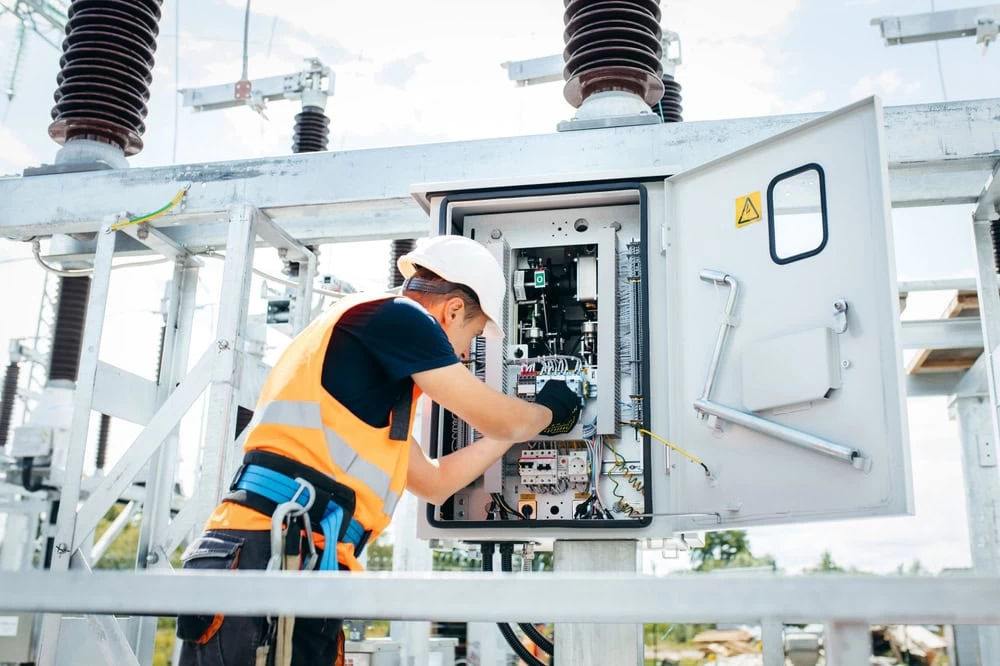
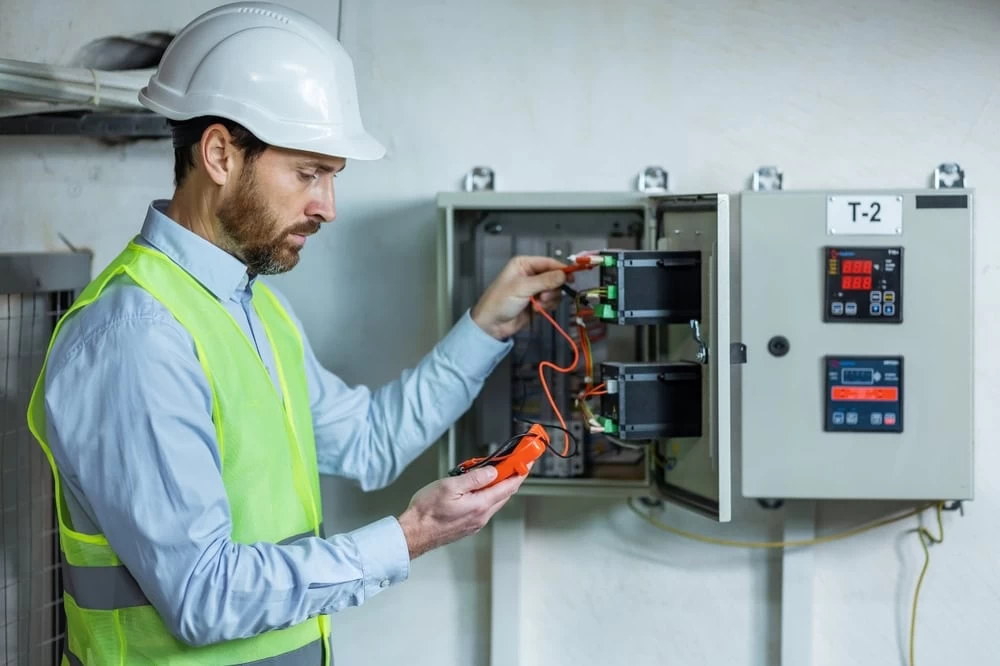
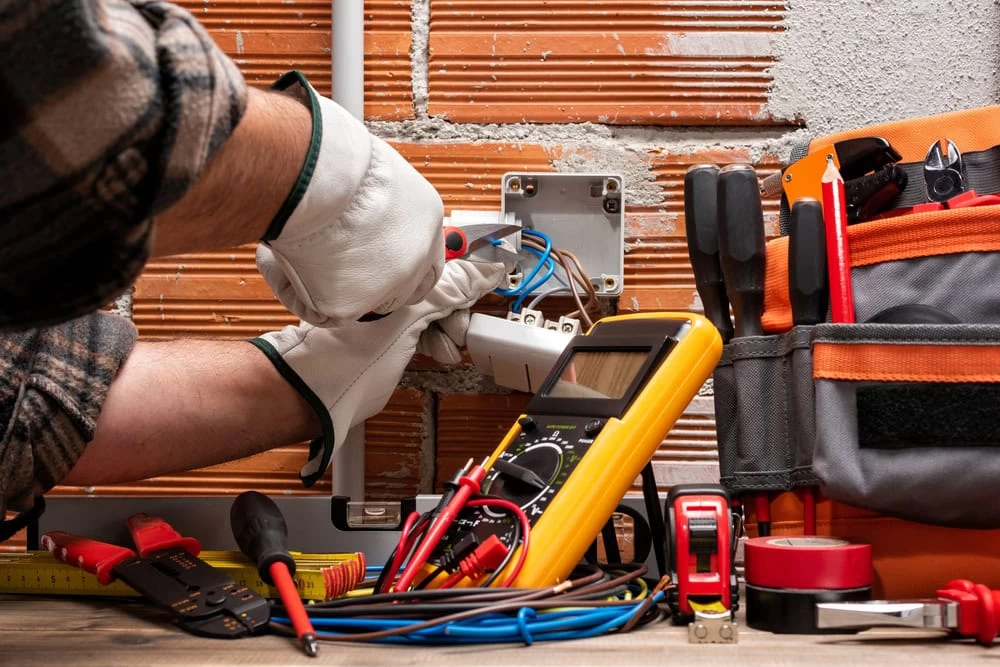
Most homeowners aren’t qualified to complete a generator installation, and the consequences of a mistake are too significant when dealing with electrical systems. Generator installation is tricky and should always be done by an experienced professional.
Installing a whole-house generator often requires a building permit, with an inspection as part of the permitting process. The cost and process of obtaining a permit may vary depending on your location. Your professional installer handles this paperwork, but understanding the process helps you plan timing and budget accordingly.
Generator installation requires residential electrical systems, plumbing, and running pipes from a connector to the generator. You’re on the hook for procuring building permits and inspections which can void homeowner’s insurance if skipped or completed out of sequence. This isn’t just about following rules. It’s about protecting your investment and your family’s safety.
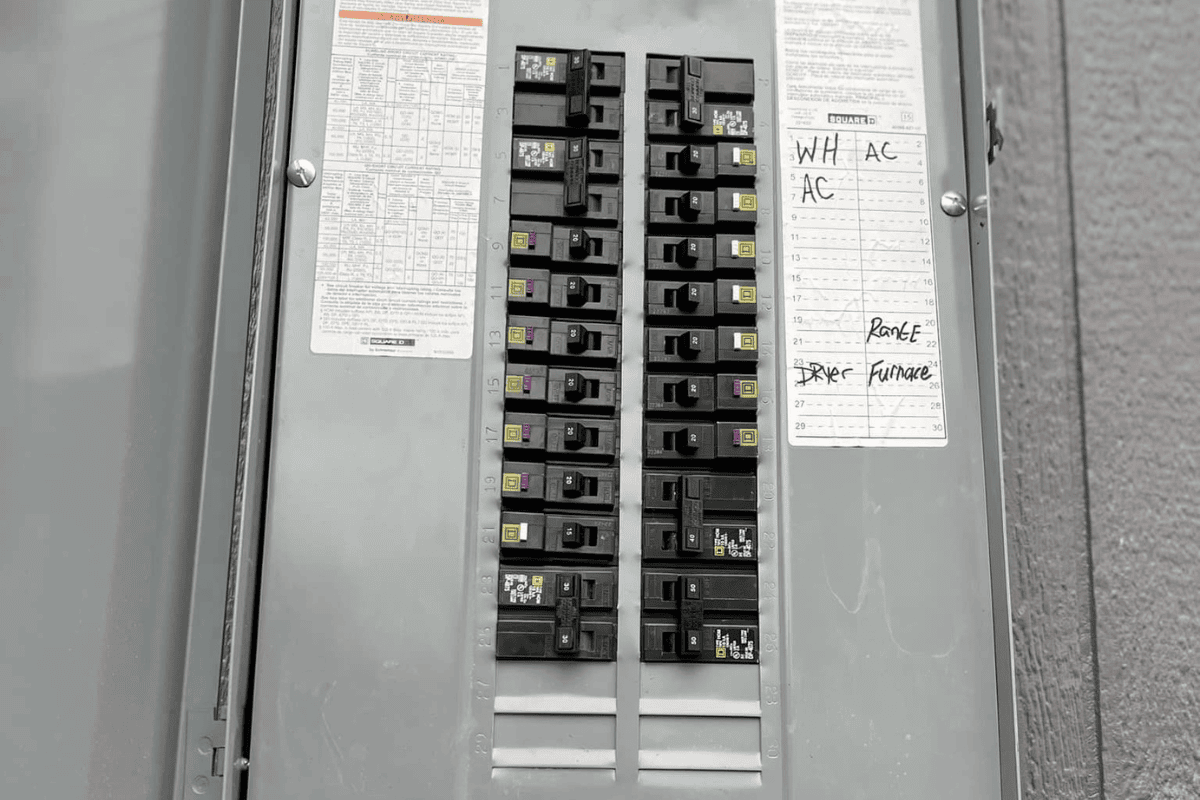
The electrical work alone requires specific expertise. Installing a whole-house generator requires making proper electrical and plumbing connections, wiring to your main electrical panel, and installing an automatic transfer switch that enables the generator to detect power outages. This step requires precision, as incorrect wiring can cause power overloads, damage to appliances, or electrical hazards.
Look for contractors with experience installing standby generators who understand local building requirements. Check review sites and the Better Business Bureau, and ensure contractors provide certificates of general liability insurance, local or state licenses, proof of workers’ compensation insurance, written lien waivers, and guarantee statements. It’s advisable to procure at least three quotes for each trade and perform due diligence with references provided.
Safety Considerations for Generator Installation in San Angelo
A whole house generator is a powerful asset, but like any major system in your home, it comes with safety responsibilities. Generators emit carbon monoxide, an odorless, deadly gas. Always install the home generator outdoors, at least five feet away from windows, doors, and vents. Never run a generator in an enclosed space like a garage, basement, or shed, and install battery-operated or hardwired CO detectors in your home.
Proper grounding is required by electrical codes to protect the generator from power surges and faults. Drive a grounding rod into the soil near the generator and connect copper wiring from the generator’s grounding terminal to the rod. This critical safety step protects both your equipment and your family.
Your fuel source requires special attention too. There are local code compliance issues related to natural gas, diesel, or propane, with different counties having differing rules about tank capacity and location.
Carbon Monoxide Prevention and Ventilation Requirements
Standby generators produce carbon monoxide, an odorless, colorless gas that can reach lethal concentrations in just a few minutes. Understanding proper ventilation isn’t optional. It’s literally life or death.
Choose a location that meets safety clearances, typically at least five feet away from windows, doors, and vents to prevent carbon monoxide exposure. But don’t stop at minimum requirements. Consider wind patterns around your home that could blow exhaust toward living areas during certain weather conditions.
San Angelo’s variable wind patterns mean you need to think about seasonal changes. What works during calm summer evenings might create problems during windy winter storms. Carbon monoxide poisoning from people running generators indoors for heating has caused deaths, with at least 300 cases of carbon monoxide poisoning reported during major outages.
Install carbon monoxide detectors not just inside your home, but consider placing one near your generator installation site. This provides early warning if exhaust isn’t dispersing properly due to unusual wind conditions or equipment issues.
The exhaust direction matters more than many homeowners realize. Consider electrical safety, the direction of exhaust, and the risk of carbon monoxide poisoning when selecting your installation location. We evaluate typical wind patterns and position the unit so exhaust naturally moves away from your home and neighboring properties.
Fuel Type Selection and Storage Safety
Carefully consider the fuel type your generator uses to budget for long-term expenses based on fuel costs and plan based on the possibility of fuel shortages in your area. In San Angelo, you have several viable options, each with distinct advantages.
Natural gas is generally the most economical fuel option, supplied via utility connection. Availability is usually not affected by weather or natural disasters, making natural gas-powered standby generators ideal for preparing your home for any event. This reliability proved crucial during recent San Angelo outages when other fuel sources became difficult to obtain.
Liquid propane is easy to store and eco-friendly, but must be stored in a tank requiring room on your property, preferably in a well-ventilated area outside or in a detached garage. Residential propane tanks typically have 100- to 1,000-gallon capacities. For San Angelo homeowners with larger properties, propane offers independence from utility infrastructure.
Compliance with local and state codes for fuel storage and capacity is critical, including UL requirements. In some areas, fuel tanks under 660 gallons can be UL142 Double Wall, while tanks over 660 gallons require UL2085 Fireguard Fuel Tanks. We verify San Angelo’s specific requirements during the planning phase.
Storage considerations extend beyond just meeting code requirements. Portable generators often run on gasoline, which can be difficult to store and has a limited lifespan. For standby installations, avoid gasoline-based systems due to storage challenges and safety concerns in our Texas climate.
Getting Your San Angelo Generator Installation Right
We’ve all seen how fragile the grid can get: rolling blackouts, heatwaves pushing limits, and storms that leave entire neighborhoods in the dark. If you’re thinking about backup power, don’t wait until the next storm rolls in. Whole home generator installation is a smart step in creating a comprehensive family emergency plan that truly prepares you for the unexpected.
The five tips we’ve covered (proper location selection, understanding local weather challenges, ensuring professional installation, prioritizing safety considerations, and choosing the right fuel type) form the foundation of a successful generator installation. Design at the front end makes or breaks a generator installation. A well thought out design will keep you successful.
Remember, your generator installation is an investment in your family’s comfort, safety, and peace of mind. Working with a licensed electrical contractor in San Angelo like us at Hooked Up Electric makes all the difference. We handle everything safely and legally, so you’re not stuck dealing with code violations or safety issues later. When the next storm hits San Angelo, you’ll be ready with reliable backup power that works exactly when you need it most.