Summary:
Texas Laws on DIY Electrical Work: What Homeowners Can Actually Do
Texas is one of the few states that permits homeowners to perform their own electrical work on dwellings they own and actually live in. This exemption covers everything from replacing outlets to rewiring entire homes, as long as you follow the proper procedures.
But here’s where it gets tricky. You must apply for permits and complete all work according to local building codes. Municipal or regional regulations can override state exemptions, meaning your local city might have stricter rules than the state.
The biggest catch? Once you start DIY electrical work, you assume full responsibility and cannot get help from licensed electrical contractors. No licensed electrician will touch work you’ve started yourself, leaving you completely on your own if problems arise.
Permit Requirements and Code Compliance for DIY Electrical Work
Getting permits for DIY electrical work isn’t automatic, and the requirements vary significantly by location. Many cities and counties require permits for electrical work that can only be pulled by licensed electricians. Some municipalities, like Houston, don’t allow homeowner permits for electrical work at all.
Even when permits are available to homeowners, you’re responsible for ensuring all work meets current electrical codes. Texas has adopted the National Electric Code 2023 Edition, which became effective September 1, 2023. Understanding and implementing these complex requirements requires extensive knowledge that most homeowners simply don’t have.
Code compliance isn’t just about passing inspection. Non-compliance with electrical codes can result in insurance claim denials if an electrical incident occurs. Your homeowner’s insurance expects electrical work to meet professional standards, regardless of who performed it.
The inspection process adds another layer of complexity. You’ll need to schedule inspections at specific stages of the work, and failed inspections mean costly delays and rework. Professional electricians understand exactly what inspectors look for and can navigate this process efficiently.
The Hidden Costs and Risks of DIY Electrical Work
The financial appeal of DIY electrical work disappears quickly when you factor in the real costs and risks. Home electrical fires account for an estimated 51,000 fires each year, nearly 500 deaths and $1.3 billion in property damage, according to the Electrical Safety Foundation International (ESFI). When DIY electrical work goes wrong, the consequences extend far beyond a simple repair bill.
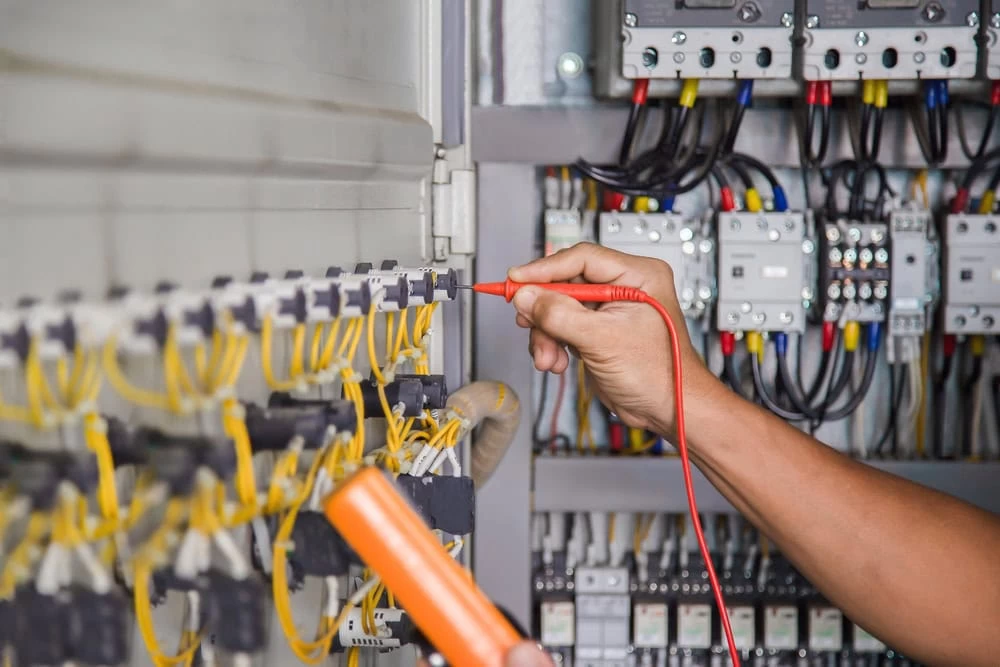
Consider the tools and materials needed for electrical work. Professional-grade electrical tools, meters, and safety equipment cost hundreds or thousands of dollars for a single project. You’ll also need to purchase materials that meet code requirements, which often means higher-grade components than typical DIY store offerings.
Time represents another hidden cost. Working with electricity requires planning and extreme care to prevent injury, death, and dangers down the road. What takes a professional electrician a few hours might take a homeowner an entire weekend, assuming everything goes smoothly.
The biggest risk comes from mistakes you don’t even know you’re making. Electrical wiring mistakes can put your loved ones in danger due to electrocution or fires. Improper connections, wrong wire gauges, or code violations create hazards that might not show up for months or years.
Insurance implications add another layer of financial risk. If DIY electrical work causes a fire or other damage, your insurance company will scrutinize the work closely. Non-professional installations that don’t meet code can void your coverage entirely, leaving you responsible for all damages and liability.
When to Hire a Licensed Electrician: Professional Services That Matter
Certain electrical situations absolutely require professional expertise, regardless of your DIY confidence level. Texas requires electrical work to be performed by licensed electricians for safety and code compliance, and unlicensed work can create fire hazards, fail inspections, and void insurance coverage.
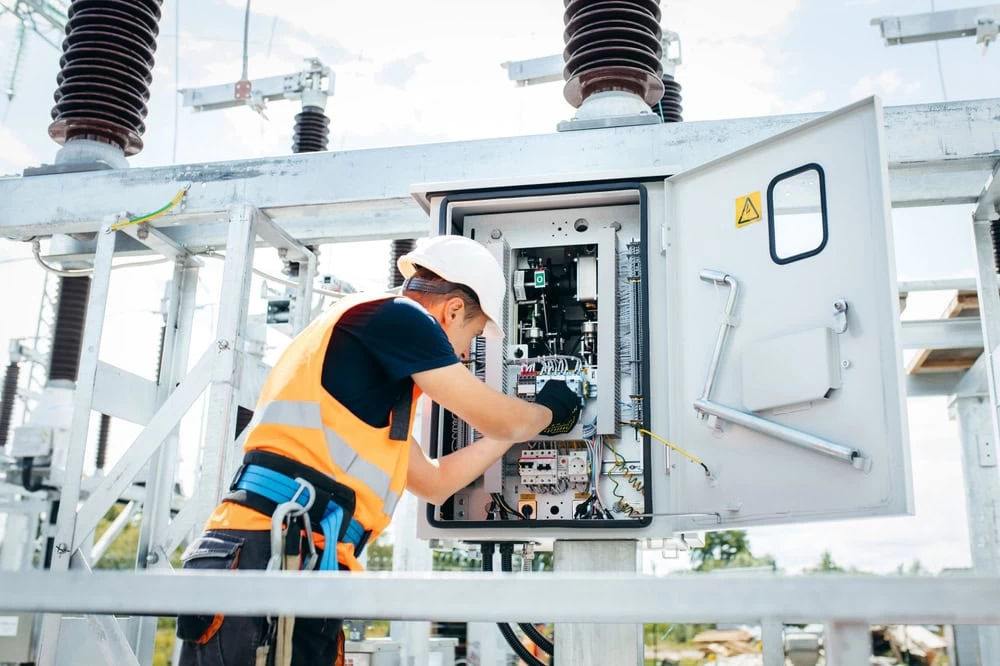
Licensed electricians have the tools, experience, and specialized training required to perform electrical tasks safely and accurately. They understand local regulations and can guide you through the permit process, ensuring your work is properly documented for future property sales or insurance claims.
Professional electricians also bring liability insurance and warranties that protect you from costly mistakes. When something goes wrong with professional work, you have recourse and protection that simply doesn’t exist with DIY projects.
Emergency Electrical Situations That Require Immediate Professional Help
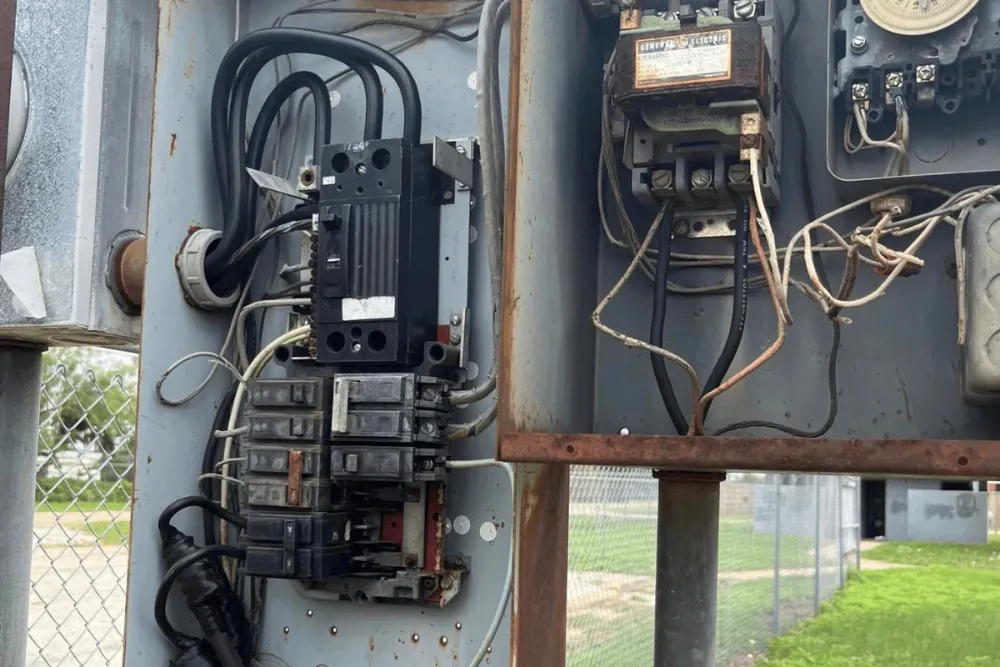
Some electrical problems demand immediate professional attention, regardless of your DIY skills or budget concerns. Call for emergency electrical service if you smell burning, see sparks, lose power to your entire home, notice hot electrical panels or outlets, experience flickering lights throughout the house, frequently tripping breakers, or hear buzzing sounds from electrical panels.
These warning signs indicate serious electrical faults that pose immediate fire risks. Attempting DIY repairs in emergency situations often makes problems worse and increases danger to your family. Professional electricians have the training and equipment to safely diagnose and repair electrical emergencies.
In Texas’s climate, electrical systems work harder during peak summer months, making emergency electrical issues more common. Don’t wait if something feels wrong, electrical problems typically get worse, not better, and can create serious safety hazards.
Rural properties in counties like Taylor, Jones, Callahan, and Eastland often face unique challenges during electrical emergencies. Limited contractor availability means having a relationship with a reliable local electrician becomes even more important. Professional electricians familiar with rural electrical systems can respond quickly and understand the specific challenges these properties present.
Emergency electrical work also requires immediate permit and inspection coordination. Professional electricians can expedite this process and ensure emergency repairs meet all code requirements, preventing future complications with inspections or insurance claims.
Complex Electrical Projects That Require Professional Expertise
Certain electrical projects exceed DIY capabilities regardless of your skill level or research. Panel upgrades, service increases, new circuit installations, and whole-house rewiring require professional expertise, specialized equipment, and coordination with utility companies that homeowners cannot handle independently.
New construction electrical installation requires careful coordination with other trades, strict adherence to electrical codes, and experienced contractors to prevent delays and ensure proper electrical capacity. These projects involve complex planning, load calculations, and system design that require professional electrical engineering knowledge.
Smart home installations, while seemingly simple, often require extensive rewiring and system integration that exceeds typical DIY capabilities. Professional electricians understand how different smart systems interact and can ensure installations meet current and future technology needs.
Commercial electrical work always requires professional expertise. Business electrical systems operate under different codes and safety requirements than residential installations. The liability and safety implications of commercial electrical work make professional installation essential for legal and insurance compliance.
Older home electrical updates represent another area where professional expertise proves invaluable. Many homes in rural Texas counties have electrical systems installed decades ago under different codes and standards. Professional electricians understand how to safely integrate modern electrical needs with older systems while ensuring everything meets current code requirements.
Making the Right Choice for Your Electrical Project
The decision between DIY electrical work and hiring a professional comes down to safety, complexity, and long-term value. While Texas law allows homeowner electrical work, the risks and responsibilities often outweigh the potential savings.
For simple tasks like replacing switches or outlets, DIY might be appropriate if you have the proper knowledge and tools. However, anything involving new circuits, panel work, or emergency repairs requires professional expertise. The peace of mind that comes with professional installation, proper permits, and warranty protection makes the investment worthwhile.
When you’re ready for professional electrical services, choose a licensed contractor with local experience and a proven track record. We serve Taylor County and surrounding areas, with the expertise to handle everything from simple repairs to complete electrical system upgrades.