Summary:
Published 2026 cost guides put the price of replacing a single circuit breaker at about $100 to $260 installed. HomeGuide lists $100 to $180 for a standard single-pole breaker and $180 to $260 for a double-pole breaker, and Angi puts a breaker switch replacement at $100 to $200. The part is cheap, about $5 to $40 for a standard breaker, so most of the bill is the diagnosis, the service call, and a licensed electrician working inside a live panel. A main breaker is a bigger job: $200 to $600 and up at HomeGuide, $500 to $2,000 at Angi. These are national ranges for budgeting, not a quote.
A breaker that trips once in a while is doing its job. One that trips every day, will not reset, feels hot, or smells like burning plastic is telling you something, and the fix may or may not be a new breaker. This guide lays out what the national cost guides say circuit breaker replacement costs in 2026, why a small part carries a service call price, and how to tell a bad breaker from a circuit problem or a panel that has reached the end of its life.
Hooked Up Electric is a licensed Texas electrical contractor with offices in Abilene, San Angelo, Midland, and Lubbock. The prices below are published ranges to help you budget. For a real number, call and tell us what the breaker is doing and what brand of panel you have.
Circuit Breaker Replacement Cost at a Glance (2026)
Typical prices from published national cost guides.
| Item | Published range | Source |
|---|---|---|
| Standard single-pole breaker, installed | $100 to $180 | HomeGuide |
| Double-pole (240V) breaker, installed | $180 to $260 | HomeGuide |
| Breaker switch replacement, installed | $100 to $200 | Angi |
| Labor | $95 to $350 | HomeGuide |
| Electrician hourly rate | $50 to $130 per hour plus a $100 to $200 call-out fee (HomeGuide); $50 to $150 per hour (Angi) | HomeGuide, Angi |
| Diagnostic fee | $75 to $125 | HomeGuide |
| Standard breaker, part only | $5 to $40 | HomeGuide |
| AFCI or GFCI breaker, part only | $20 to $150 (HomeGuide); $30 to $100 (Angi) | HomeGuide, Angi |
| Main breaker replacement | $200 to $600 and up (HomeGuide); $500 to $2,000 (Angi) | HomeGuide, Angi |
| Adding a new breaker to an existing panel | $150 to $300 | HomeGuide |
| New dedicated circuit | $250 to $900 | HomeGuide |
| Full panel replacement | $850 to $4,000 (HomeGuide); $518 to $2,193, average $1,347 (Angi) | HomeGuide, Angi |
| Time on site | 30 minutes to 2 hours | HomeGuide |
Why the ranges differ: a like-for-like swap of a standard breaker is quick. A double-pole breaker, an AFCI or GFCI breaker, or a main breaker costs more in parts, and a main breaker often means coordinating a shutoff with the utility. If the panel is an obsolete brand or the bus bar is damaged, the price jumps because the breaker is no longer the problem. Our panel upgrade cost guide covers that case.
Why a $20 Part Costs $150 to Replace
- Diagnosis comes first. A breaker that keeps tripping is usually protecting you from an overloaded circuit, a short, or a ground fault. The electrician tests the circuit before replacing anything, because a new breaker on a faulty circuit trips just the same.
- The breaker has to match the panel. Breakers are listed for specific panels. A breaker that fits but is not listed for that panel is a code violation and a heat risk. Matching the right part, especially for older panels, takes time and sometimes a special order.
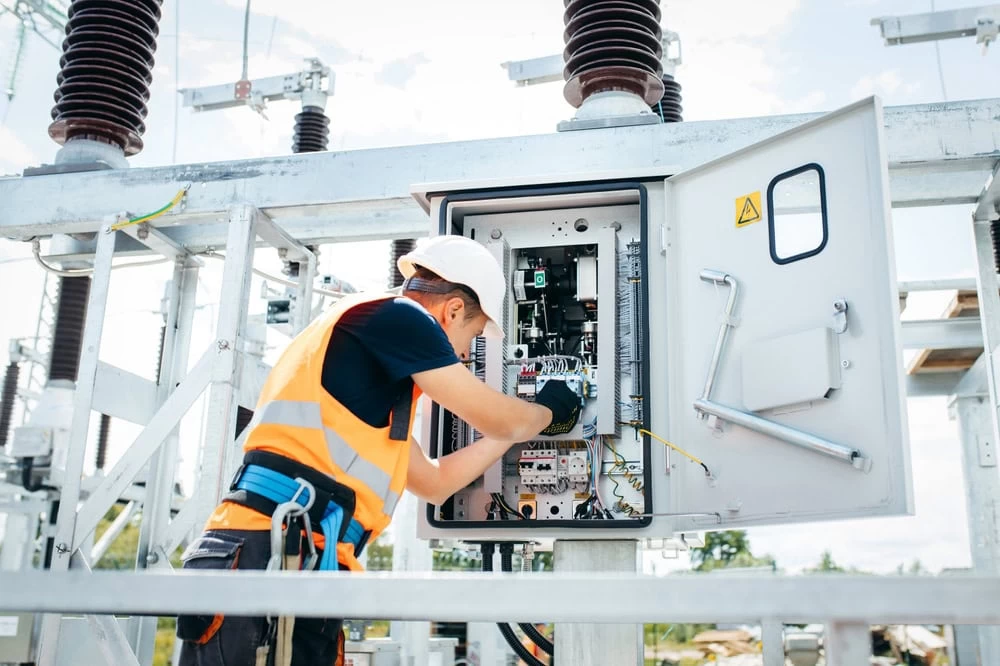
- The panel is live. Even with the main breaker off, the lugs where the utility feed lands are energized. Working in that space safely is what you are paying a licensed electrician for.
- Minimum charges. HomeGuide notes that many electricians charge a one to two hour minimum plus a call-out fee, so a single breaker swap is priced like a short service call, not by the part.
Signs a Breaker Needs Replacing (and When It Does Not)
HomeGuide lists these as the usual signs of a failing breaker: it trips often, including when nothing is plugged in; it will not reset or does not click when flipped; it is hot to the touch; or there is buzzing, sparking, or a burning smell at the panel. HomeGuide puts the typical breaker lifespan at 15 to 20 years or more, and sooner in areas with frequent outages or surges.
What does not mean a bad breaker: a breaker that trips when the space heater, the microwave, and the hair dryer run together is doing exactly what it should. That is an overloaded circuit, and the fix is moving a load or adding a circuit, not a bigger breaker. Putting a larger breaker on wire that is not sized for it is one of the most dangerous shortcuts in a house. If a breaker trips as soon as it is reset with everything unplugged, there may be a short or a damaged cable, which is a wiring repair.
What Changes the Price in West Texas
- Breaker type. Standard, double-pole, AFCI, GFCI, and dual-function breakers all carry different part prices. Newer code requirements mean many circuits in a remodel need AFCI or GFCI protection, which is where the $20 to $150 part prices come from.
- Main breaker. Replacing the main usually means cutting power at the meter, and HomeGuide notes that some utilities require an inspection before power is restored. That coordination is part of the higher price.
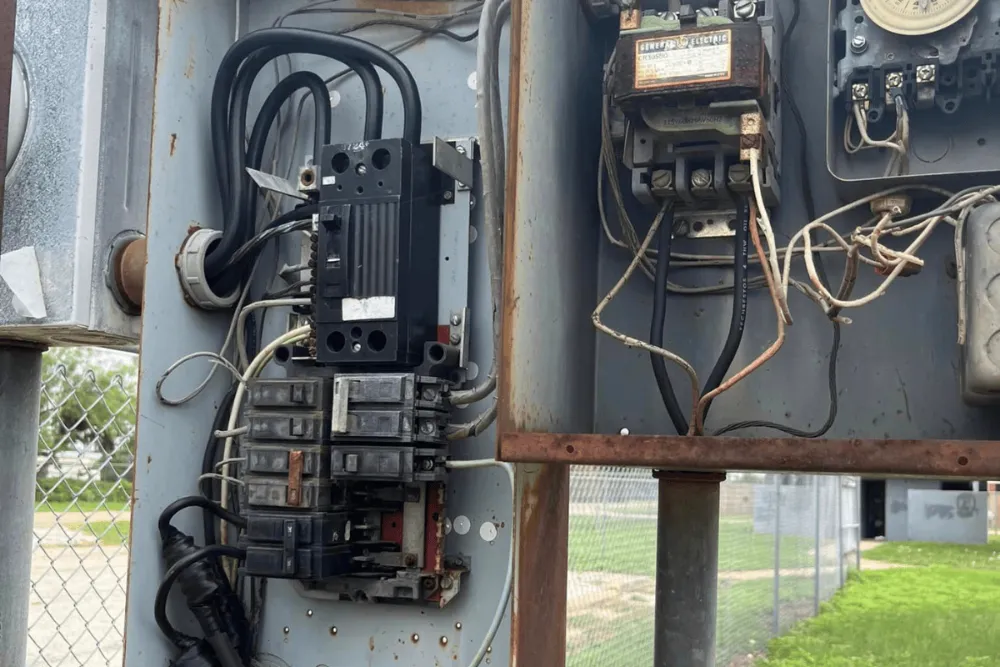
- Obsolete or flagged panels. Federal Pacific Electric and Zinsco panels are the ones HomeGuide flags as fire risks that should be replaced rather than repaired. Replacement breakers for discontinued panels can be hard to find and expensive, and the money is usually better spent on a new panel.
- Panel condition. Heat damage on the bus bar, corrosion, double-tapped breakers, or a panel buried behind storage all add time or change the job.
- Timing. An after-hours emergency call costs more than a scheduled visit. If the breaker is off and the house is safe, book a regular appointment.
Breaker or Panel: Which One Do You Need?
Replace the breaker when the panel is a current brand in good condition, the breaker itself has failed, and the circuit tests clean. Look at the panel instead when it is a 60-amp service that cannot carry modern loads (HomeGuide’s example), when it is a Federal Pacific Electric or Zinsco panel, when several breakers are failing, when you see scorch marks or corrosion, or when there is no room for the circuits you need. Our panel upgrade cost guide has the installed ranges and the signs to look for, and our electrical inspection cost guide explains what a panel check involves.
How to Keep the Cost Down
- Note the symptoms before you call: which breaker, what was running, whether it resets, any smell or heat.
- Photograph the panel label inside the door and send it with your request. Knowing the brand and model lets the electrician bring the right breaker on the first visit.
- Bundle small jobs. If you also need an outlet, a switch, or a GFCI, one visit costs less than three. Our electrician cost guide explains how service calls are priced.
- Do not oversize. If someone offers to “fix” tripping by installing a bigger breaker without new wire, say no.
- Get the quote in writing with the diagnosis, the part, and the labor listed separately.
Frequently Asked Questions About Circuit Breaker Replacement Costs
How much does it cost to replace a circuit breaker?
HomeGuide puts a standard single-pole breaker at $100 to $180 installed and a double-pole breaker at $180 to $260. Angi lists a breaker switch replacement at $100 to $200. The part is only $5 to $40 for a standard breaker; the rest is the service call and the electrician’s time.
How much does it cost to replace a main breaker?
HomeGuide lists $200 to $600 and up, and Angi lists $500 to $2,000, depending on the size of the service and whether the utility has to pull the meter. If the main breaker has failed on an old or flagged panel, replacing the panel is often the better use of the money.
Why does my breaker keep tripping?
Most of the time the circuit is overloaded or has a fault, and the breaker is doing its job. A breaker that trips with nothing plugged in, will not reset, or feels hot may be failing. An electrician tests the circuit before deciding which it is.
Can I replace a breaker myself?
The panel stays energized at the utility lugs even with the main breaker off, and the breaker has to be listed for your specific panel. This is a job for a licensed electrician.
How long does a circuit breaker last?
HomeGuide puts the typical lifespan at 15 to 20 years or more, shorter in areas with frequent outages or power surges. A whole-house surge protector at the panel helps breakers and everything else in the house; our storm and lightning protection guide explains it.
How long does the replacement take?
HomeGuide lists 30 minutes to 2 hours for the replacement itself. Finding the fault can take longer than swapping the part.
Need a breaker checked or replaced? Call 325-442-5594 or request a free quote. We work out of offices in Abilene, San Angelo, Midland, and Lubbock.
Sources: HomeGuide, cost to replace or install a circuit breaker (2026 edition, written June 2024); Angi, cost to replace an electrical panel, including single breaker figures (updated July 2026).