Summary:
Electrical Panel Upgrade: The Foundation of Modern Home Value
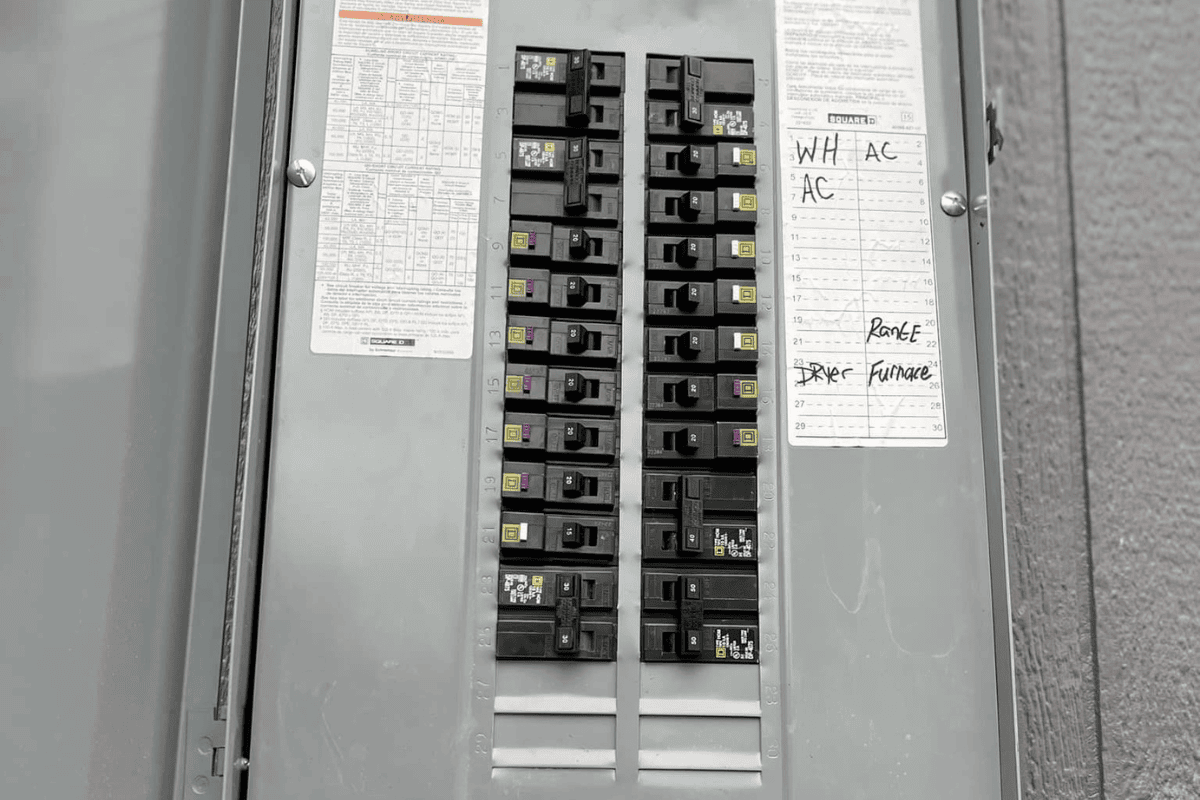
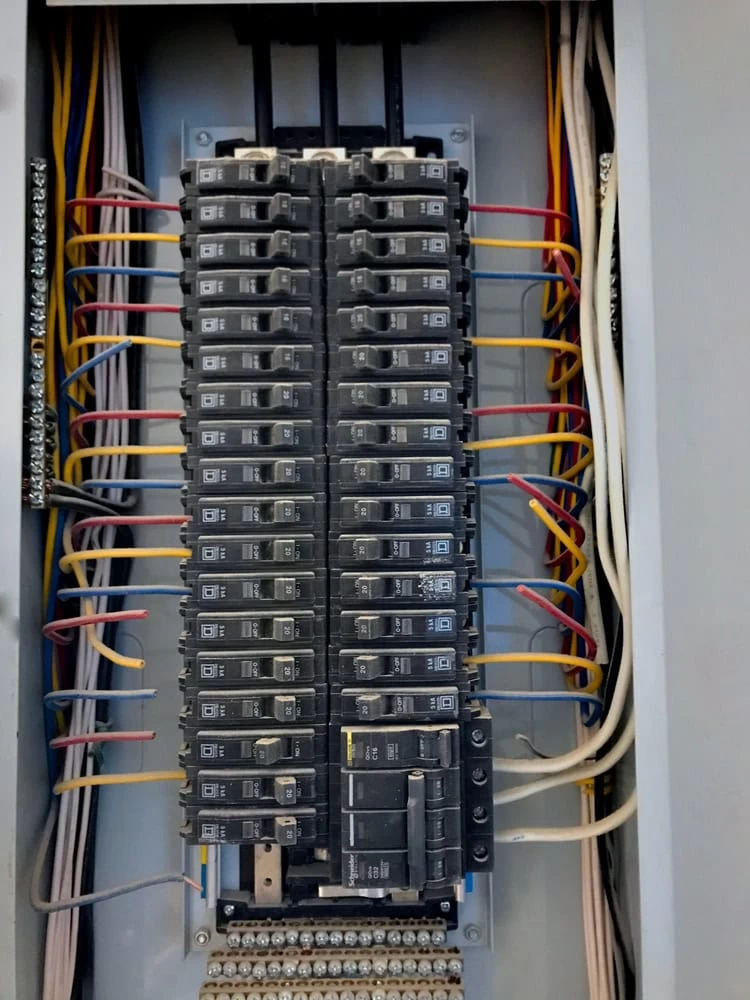
Your electrical panel determines how much power your home can handle. If you’re still running on 100 amps or less, you’re already behind what most buyers expect. Modern homes need at least 200 amps to support everyday living, home offices, multiple devices charging simultaneously, HVAC systems, and kitchen appliances all running at once.
Buyers notice panel capacity during inspections. An outdated 60 or 100-amp panel signals future headaches and immediate costs they’ll need to address. That often translates to lower offers or requests for credits at closing. Upgrading your panel before listing eliminates that objection entirely and positions your home as move-in ready for modern life.
How Much Does an Electrical Panel Upgrade Cost and What's the Return
Panel upgrade costs depend on your current setup and the amperage you need. Our panel upgrade cost guide lists typical West Texas ranges. That might sound steep until you consider what it adds to your home’s marketability. Homes with modern electrical systems sell faster and command higher prices than comparable properties with outdated infrastructure.
The return on investment goes beyond just the sale price. You’re also avoiding the negotiation leverage buyers gain when they discover electrical deficiencies during inspection. Instead of handing over closing credits or watching buyers walk away, you’ve already solved the problem. Your home shows better, inspects cleaner, and attracts buyers who don’t want to deal with immediate electrical work.
Upgrading to 200-amp service also means your home can support future additions buyers might want. Whether it’s an electric vehicle charger, a home addition, or upgraded HVAC, the capacity is already there. That flexibility matters to buyers planning to stay long-term. They’re not just buying your home as it is today, they’re buying what it can become tomorrow.
The upgrade process itself is straightforward when you work with a licensed electrician. The power company disconnects service temporarily, the old panel comes out, the new one goes in, and everything gets inspected and reconnected. Most installations wrap up in a single day. The brief inconvenience pays off when your listing stands out in a market where buyers have options.
Warning Signs Your Panel Needs Upgrading Before You List
Some electrical issues are obvious. Others hide until an inspector points them out. If your breakers trip frequently, especially when running multiple appliances, your panel is overloaded. Flickering lights when the AC kicks on or dimming when you use the microwave? Same problem. Your system can’t keep up with demand.
Physical signs matter too. Rust or corrosion on the panel box indicates moisture exposure, which creates safety hazards. A warm panel box when you touch it suggests overheating. Burn marks or a burning smell near the panel mean you need an electrician immediately, not just before listing. These are active fire hazards that put your family at risk right now.
Certain panel brands are automatic red flags during home inspections. Federal Pacific Electric (FPE) panels and Zinsco panels have documented failure rates and are known fire hazards. If you have either of these, replacement isn’t optional, it’s mandatory for safety and for any realistic chance of selling your home. Buyers and their inspectors know these brands by name and will require replacement before closing.
The age of your home offers clues too. If your house was built before 1990 and the panel has never been upgraded, you’re likely working with insufficient capacity for modern needs. Two-prong outlets throughout the house indicate a lack of proper grounding, another issue that affects safety and resale value. Heavy reliance on extension cords and power strips suggests you don’t have enough outlets or adequate electrical capacity where you need it.
Getting ahead of these issues before listing saves time and headaches during the sale process. Buyers who discover electrical problems during inspection gain negotiating power. Some will walk away entirely rather than deal with the uncertainty of old electrical systems. Others will demand credits that exceed what the upgrade would have cost you to handle proactively. Either way, you lose leverage and money by waiting.
EV Charger Installation: Future-Proofing Your Home for Modern Buyers
Electric vehicles aren’t coming, they’re already here. More automakers commit to all-electric lineups every year, and several states have announced gas vehicle sales bans by 2035. Buyers shopping for homes today are thinking about the next decade, not just next year. A home with EV charging capability has a built-in advantage over one that doesn’t.
Installing a Level 2 EV charger adds tangible value to your property. A home that is already wired for EV charging saves the next owner that project. The trend is clear. As EV adoption grows, charging access becomes a standard expectation rather than a luxury feature.
What EV Charger Installation Actually Involves for Your Home
Installing an EV charger isn’t as complicated as many homeowners assume. A Level 2 charger requires a 240-volt circuit, similar to what powers your electric dryer or oven. If your electrical panel has available capacity and space for an additional circuit breaker, installation is straightforward. A licensed electrician runs the circuit from your panel to your garage or designated charging location, installs the outlet or hardwired charger, and ensures everything meets local electrical codes.
The installation cost depends on the distance from your panel to the charging location and whether any panel upgrades are needed first; our EV charger installation cost guide lists current price ranges. If you’re already upgrading your panel to 200 amps, adding the circuit for an EV charger during that project makes sense and often costs less than doing it separately later. Some areas offer rebates or incentives that offset installation costs, making the upgrade even more affordable.
Buyers appreciate the convenience of home charging more than you might expect. Public charging stations aren’t always available when needed, and charging times at public stations eat into daily schedules. Home charging means plugging in overnight and waking up to a full battery every morning. No hunting for charging stations, no waiting in line, no planning trips around charging availability. That convenience translates directly into value for buyers who already own EVs or plan to purchase one soon.
Even buyers without immediate EV plans recognize the value of having charging infrastructure already in place. It’s one less thing to deal with later, one less project to budget for, and one less disruption to their lives after moving in. The electrical work is done, inspected, and ready to use whenever they need it. That peace of mind and future flexibility make your home more attractive compared to properties where buyers would need to coordinate installation themselves.
How EV Charging Affects Home Value in Taylor County, TX
Taylor County’s housing market may not mirror California’s EV adoption rates yet, but the trend is moving in the same direction everywhere. Buyers shopping for homes in Abilene, Merkel, and surrounding areas are increasingly aware of electric vehicle benefits and infrastructure needs. Installing an EV charger now positions your home ahead of the curve rather than scrambling to catch up when the market shifts fully.
The competitive advantage matters more in markets like Taylor County where homes spend an average of 61 to 97 days on the market. Anything that differentiates your property and reduces buyer objections helps. When a buyer tours two similar homes and one has EV charging while the other doesn’t, the equipped home has a clear edge. It shows the home is modern, well-maintained, and ready for the future.
Beyond the immediate sale, EV charging infrastructure signals to buyers that the home’s electrical system can handle modern demands. If the panel supports an EV charger, it likely has sufficient capacity for other upgrades buyers might want. That underlying capability matters as much as the charger itself. Buyers see a home that won’t limit their options or require major electrical work for future improvements.
The installation also demonstrates that you’ve maintained and updated the home proactively rather than reactively. Buyers notice when homeowners have invested in forward-thinking upgrades. It builds confidence that other systems in the home have received similar attention. That confidence translates into stronger offers and smoother negotiations because buyers aren’t wondering what other deferred maintenance they’ll discover after closing.
Getting Your Home's Electrical System Sale-Ready in Taylor County, TX
The electrical upgrades that increase your home’s resale value aren’t about flashy features or expensive renovations. They’re about meeting modern expectations and eliminating buyer objections before they arise. A 200-amp panel, EV charging capability, GFCI protection in wet areas, updated outlets and switches, and smart home compatibility all signal that your home is ready for how people actually live today.
These upgrades pay for themselves through faster sales, higher offers, and stronger negotiating positions. More importantly, they give buyers confidence that your home won’t nickel-and-dime them with immediate repairs and upgrades. That confidence is worth more than any single feature because it removes friction from the entire buying process.
If you’re preparing to list your home in Taylor County, TX, or you’re thinking about selling in the next year or two, now is the time to address electrical upgrades. We’ve been helping homeowners throughout Taylor, Callahan, Eastland, and Jones Counties prepare their homes for sale with smart electrical upgrades that deliver real returns. With upfront pricing, we can assess your home’s electrical system and recommend the upgrades that make sense for your timeline and budget.