Summary:
Most people don’t think seriously about backup power until they’ve gone without it. Maybe it was the 2021 freeze that left parts of Taylor County dark for days. Maybe it was a summer storm that knocked out your AC for 18 hours in 100-degree heat. Whatever the moment was, it probably left you thinking: there has to be a better way than dragging out a portable generator and hoping it starts.
There is. A home standby generator changes the equation entirely — and once you understand how it works, the manual approach starts to feel like a real liability. Here’s what you need to know.
How Home Standby Generators Work: Automatic Startup and Transfer Explained
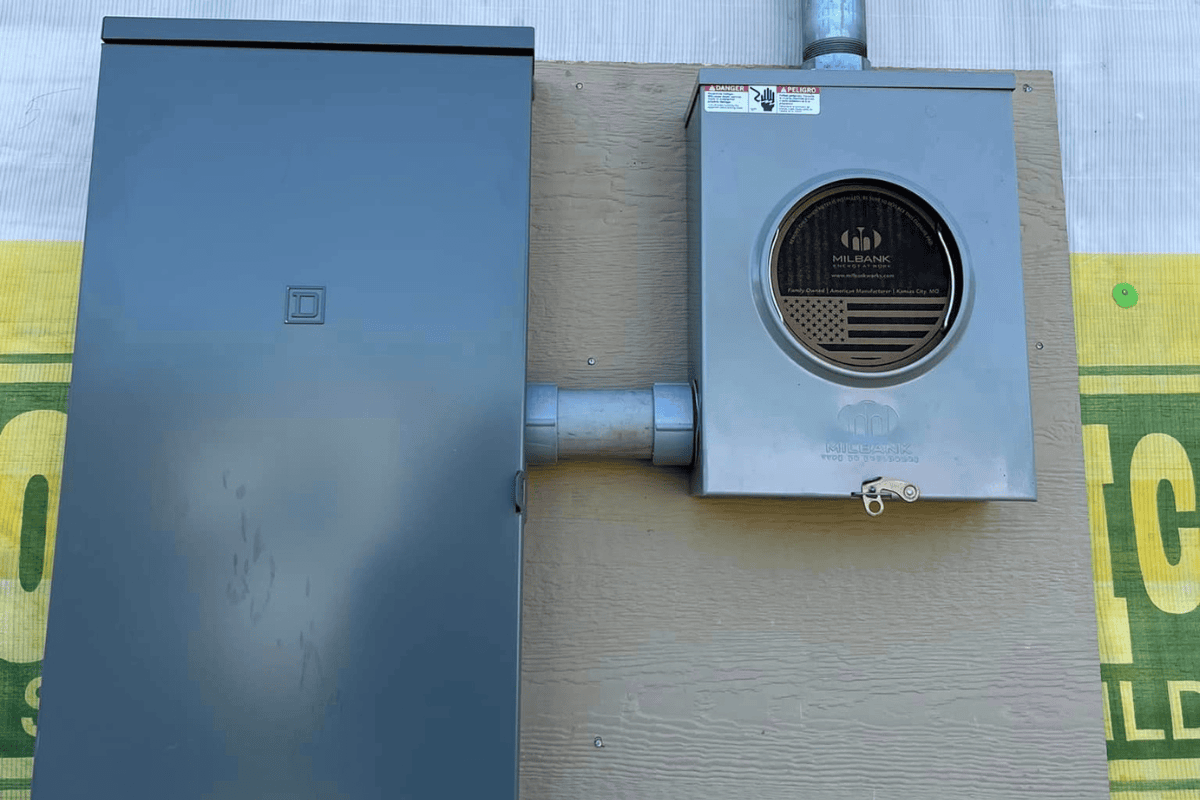
A home standby generator is a permanently installed unit — typically mounted on a concrete pad outside your home — connected directly to your electrical system and your fuel supply, whether that’s natural gas or propane. It doesn’t require you to do anything. When the power goes out, it detects the outage and starts itself, usually within 10 to 20 seconds.
That automatic response comes from a component called an automatic transfer switch, or ATS. The ATS monitors your utility power continuously. The moment it detects a loss of power, it disconnects your home from the grid and connects it to the generator — safely, cleanly, and without any backfeed risk to utility workers on the line. When utility power is restored, the ATS switches back and the generator shuts itself down.
The whole sequence happens faster than most people realize. Your lights may flicker once. That’s usually it.
What Is an Automatic Transfer Switch and Why Does It Matter?
The automatic transfer switch is the piece of the system that most homeowners never see but absolutely depend on. Without it, a standby generator is just an engine sitting outside. The ATS is what makes the system actually automatic — and it’s also what makes it safe.
Here’s why that matters practically: during a major outage, utility crews are out working on live lines to restore power. If a generator is improperly connected without an ATS — or with a manual transfer switch that someone bypassed — electricity from that generator can feed back into the utility lines. That’s called backfeed, and it can electrocute a lineman who believes the line is dead. An ATS prevents this entirely by creating a hard break between your home and the grid before the generator comes online.
Beyond safety, the ATS is what allows a standby system to protect your home when you’re not there. If you’re at work when a storm rolls through Merkel or Tye and takes out power for six hours, your generator has already started, your refrigerator is running, your HVAC is keeping the house at temperature, and your well pump — if you’re on a private well — never lost a beat. You might not even know the outage happened until you get home.
That’s the fundamental difference between automatic and manual. A portable generator sitting in your garage does nothing if you’re not home to drag it out, fuel it up, and connect it. And even when you are home, setup takes 10 to 20 minutes — time you may not have in the dark, in freezing temperatures, or in the middle of a storm.
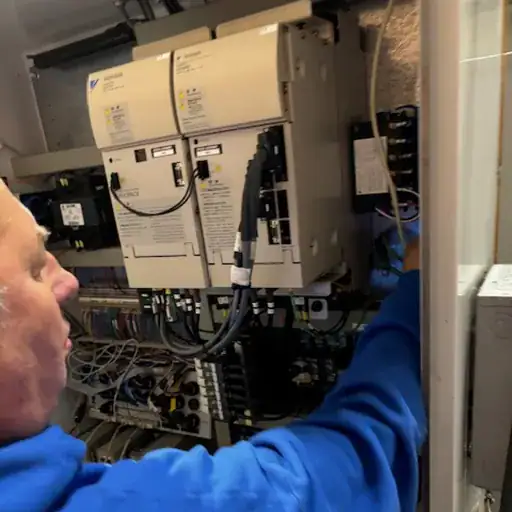
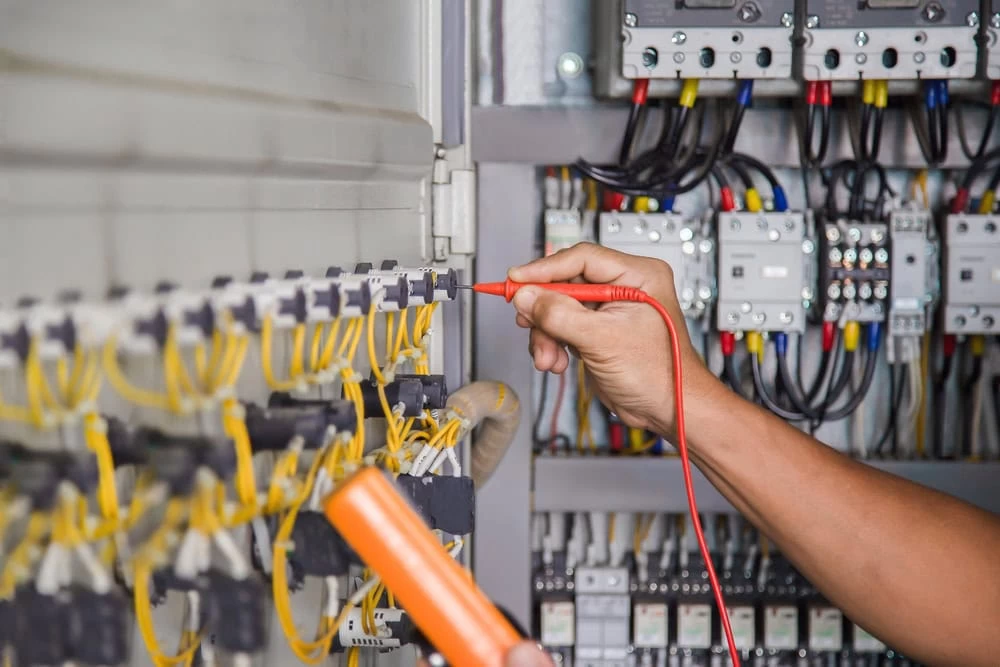
The ATS is also why generator installation in Texas requires a licensed electrician. The switch must be installed correctly, labeled per the 2023 National Electrical Code, and coordinated with your utility company before the system goes live. It’s not a component you want someone guessing on.
How Long Can a Home Standby Generator Run During an Outage?
This is one of the most common questions we hear, and the answer depends almost entirely on your fuel source. If your standby generator is connected to natural gas — which is available to many homes in Abilene and throughout Taylor County — it can run indefinitely. As long as the gas utility is supplying fuel, the generator keeps running. There’s no tank to refill, no fuel to store, and no runs to the gas station during an emergency when everyone else is doing the same thing.
Propane is the alternative for rural properties without natural gas service, and it works well — but it requires a properly sized tank installed in advance. A 500-gallon propane tank will typically run a 20kW generator for several days under normal load. A 1,000-gallon tank extends that significantly. The key is sizing the tank correctly for your generator and your expected load, which is part of what a professional assessment covers before installation.
What about gasoline? Portable generators run on gasoline, and that’s one of their biggest weaknesses during a serious emergency. After Winter Storm Uri in 2021, gas stations across West Texas ran dry or had hours-long lines. If you’re relying on a portable unit and can’t get fuel, you have no backup power — at the exact moment you need it most.
Modern standby generators also run a weekly exercise cycle automatically. The system starts itself, runs briefly under load, and confirms everything is working. That means your generator isn’t sitting idle for months and then failing to start when a storm hits in January. It’s actively maintaining itself, so you have confidence it’ll perform when it counts.
Generator Installation Services: What the Process Actually Involves
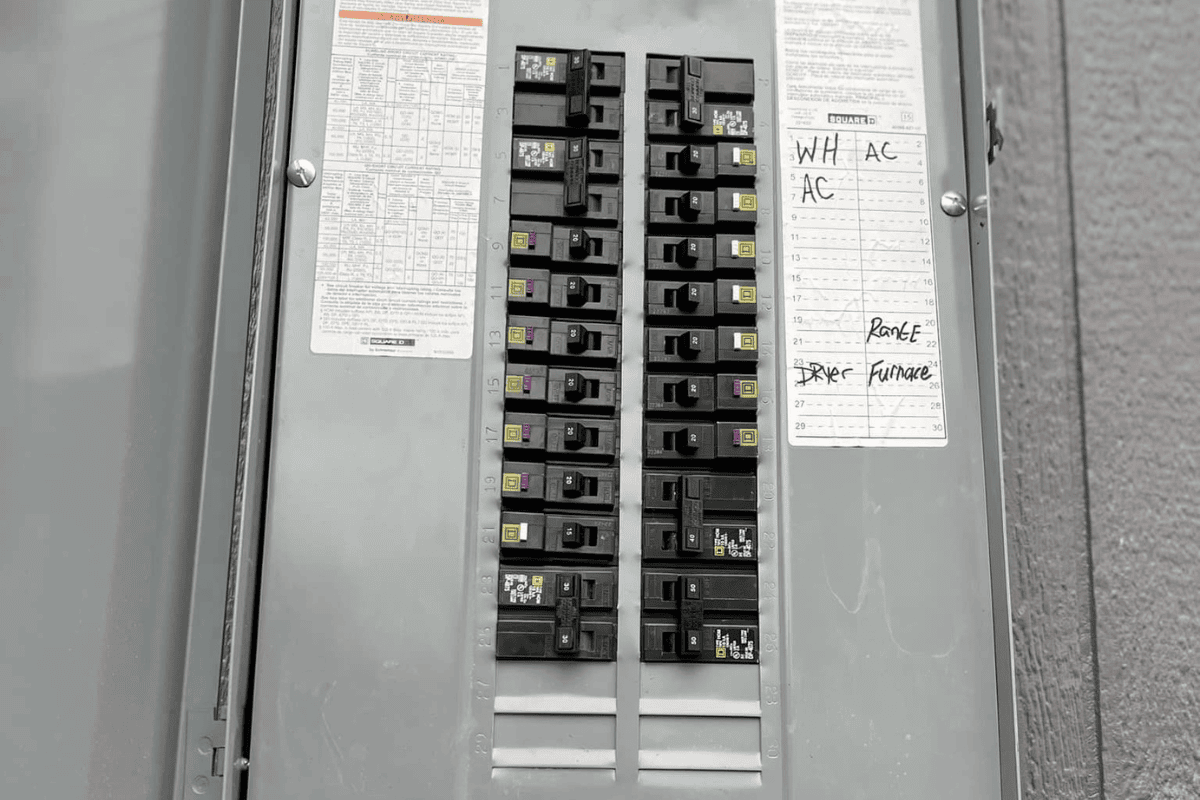
Installing a home standby generator isn’t a weekend project. In Texas, it legally requires a licensed electrician — and for good reason. The installation involves electrical connections to your main panel or a transfer switch, fuel line connections that require a licensed plumber, a building permit, an electrical permit, and coordination with your utility company to verify the ATS is compatible with their system.
When done correctly, you end up with a system that’s code-compliant, permitted, and built to protect your home reliably for years. When done incorrectly — or by someone without the right licenses — you risk voiding your homeowner’s insurance, failing an inspection, and ending up with a system that may not function during an actual emergency.
Home Generator Systems for Rural Taylor County Properties: Well Pumps, Ranches, and Remote Locations
About 17.5% of Taylor County residents live in rural areas — roughly 25,000 people spread across ranches, acreages, and smaller communities outside Abilene. For those homeowners, a power outage isn’t just an inconvenience. It’s a water crisis.
If your home is on a private well, your water supply is entirely dependent on electricity. When the grid goes down, your well pump stops. No drinking water, no toilets, no water for livestock. For ranchers and agricultural operations, that’s not just uncomfortable — it can mean real losses. A standby generator with a properly sized transfer switch keeps the well pump running through the entire outage, from start to finish, without you having to do anything.
Rural properties throughout Taylor County also tend to experience longer outages than urban ones. Utility crews have to travel farther, deal with more extensive line damage across longer transmission runs, and work through more complex repairs before power is restored. In a community like Merkel or Lawn, an outage that might last two hours in central Abilene could stretch to eight or twelve hours or longer. That gap is exactly where a standby system earns its keep.
There’s also the issue of livestock and agricultural infrastructure. Irrigation systems, barn lighting, ventilation fans for poultry or livestock operations, and electric fencing all depend on reliable power. During a summer heat event — and Taylor County sees plenty of those, with average July highs around 96°F — losing ventilation in a livestock barn can be devastating. A standby generator removes that risk entirely.
Sizing for a rural property is a different calculation than sizing for a suburban home in town. You need to account for the well pump’s startup surge, any agricultural loads, and the distance from the generator to the structures it needs to serve. That’s why a free on-site load calculation is the right starting point — not a guess based on square footage.
What Size Standby Generator Does a Taylor County Home Actually Need?
Sizing is where a lot of homeowners get tripped up, and undersizing is a far more common mistake than oversizing. A generator that can’t handle your actual electrical load will overwork itself, trip breakers, and potentially fail — exactly when you need it most.
For a typical Taylor County home running essential circuits — HVAC, refrigerator, lights, and a well pump — you’re generally looking at 15 to 20 kilowatts as a realistic minimum. If you want whole-house coverage, including all circuits without any manual load management, 20 to 24kW is the more common range. Homes with larger HVAC systems, electric water heaters, or significant agricultural loads may need more.
The reason HVAC drives so much of the sizing calculation is startup surge. An air conditioning compressor doesn’t just draw its rated running wattage when it kicks on — it pulls significantly more power for a second or two during startup. A generator that’s sized too close to the edge can’t handle that surge, which causes the system to stumble or shut down. In a Taylor County summer, that’s not a minor inconvenience. It’s a health issue, especially for elderly residents or anyone with medical conditions that make heat dangerous.
Total installation costs — including the generator unit, transfer switch, concrete pad, permits, fuel line connection, and startup — typically run between $13,000 and $20,000 depending on the system size and site conditions. That’s a real investment, and we understand it. Financing is available for homeowners who want to spread that cost out, and the free assessment we offer before any work begins gives you a clear, specific number before you commit to anything.
One more thing worth knowing: after Winter Storm Uri, Generac reported a 20-week backlog on orders. When everyone in Texas decides they need a generator at the same time, supply disappears and installation wait times stretch to months. The homeowners who were protected during that storm were the ones who installed before it happened — not after.
Is a Home Standby Generator Worth It in Taylor County, TX?
If you’ve lived in Taylor County long enough to remember February 2021, you already know the answer. The ERCOT grid came within minutes of a complete statewide collapse. Millions of Texans lost power for days in freezing temperatures. And the people who had standby generators kept their heat on, their pipes intact, and their families safe — without lifting a finger.
That’s what automatic backup power actually means. Not just convenience, but genuine protection that works whether you’re home or not, awake or asleep, prepared or caught off guard.
If you’re ready to get a straight answer on what size system your home needs and what it would actually cost, we’re happy to walk through it with you. We serve Taylor County with upfront flat-rate pricing, free assessments, and a team that shows up when we say we will. Give us a call at 325-660-4493 — no pressure, just answers.