Summary:
Understanding Your Generator Installation Options in Fisher County
Fisher County homeowners have several generator options, but not all backup power solutions are created equal. Your choice depends on your budget, power needs, and how much automation you want.
Portable generators offer the most affordable entry point, typically costing a few hundred to several thousand dollars. However, they require manual setup during outages, need gasoline storage, and can’t power your entire home safely.
Standby generators represent the premium solution, permanently installed systems that automatically detect outages and restore power within seconds. While the upfront investment is higher, ranging from $13,000 to $20,000 installed, they provide seamless whole-house coverage without any action required from you.
Whole House Generator Installation: The Complete Solution
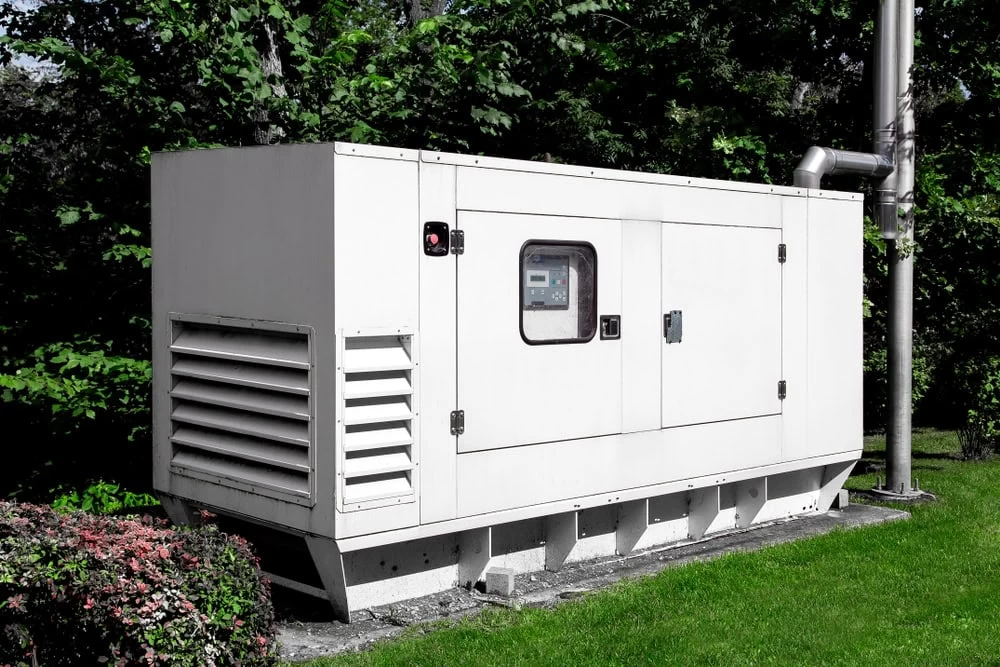
When most Fisher County residents think about generator installation, they’re really thinking about whole house standby systems. These permanently installed units connect directly to your home’s electrical system and fuel source, creating a completely automatic backup power solution.
Here’s how the system works: An automatic transfer switch constantly monitors the electrical feed from your utility company. The moment it detects a power interruption, it disconnects your home from the grid and signals your generator to start. Within 10-15 seconds, your home has full power restored. When utility power returns, the system automatically switches back and shuts down the generator.
The installation process involves several critical components. Your generator sits on a concrete pad outside your home, typically positioned at least 5 feet from any windows or doors to prevent carbon monoxide infiltration. We run electrical conduit from the unit to your home’s main electrical panel, where we install the automatic transfer switch.
Fuel connections vary depending on your chosen power source. Natural gas installations require connecting to your existing gas line or installing new service from the street. Propane systems need a dedicated tank, typically 250-500 gallons depending on your generator size and expected usage patterns.
The beauty of professional installation lies in the details most homeowners never see. Proper grounding prevents electrical hazards. Correctly sized fuel lines ensure adequate flow during peak demand. Code-compliant electrical connections protect your home’s wiring and maintain your insurance coverage.
Most Fisher County installations take 1-2 days to complete, depending on the complexity of electrical and fuel connections. We handle all permit applications, inspections, and final testing to ensure everything operates flawlessly when you need it most.
Sizing Your Generator: How Much Power Do You Really Need?
Choosing the right generator size makes the difference between adequate backup power and a system that can’t handle your home’s electrical demands. Too small, and you’ll be disappointed when essential appliances won’t run. Too large, and you’ve overspent on capacity you’ll never use.
Generator sizing starts with a professional load analysis. This process identifies which circuits and appliances you want powered during outages, then calculates the total electrical demand. Most Fisher County homes need between 14-24 kilowatts for comfortable whole-house coverage, though larger homes or those with electric heating may require 30kW or more.
Essential loads typically include your refrigerator, freezer, well pump (if applicable), heating and cooling system, lights, and a few convenience outlets. Many homeowners also want their garage door opener, security system, and internet equipment powered to maintain normal routines during extended outages.
Air conditioning represents the largest electrical load in most Texas homes. A typical central air system draws 3-5kW when running, but startup surge can temporarily demand twice that amount. Your generator must handle both the steady-state load and these momentary spikes without overloading.
Kitchen appliances add complexity to sizing calculations. Electric ranges, ovens, and large microwaves draw substantial power, often 8-12kW combined. If cooking during outages is important, factor these loads into your sizing requirements.
Water heating presents another consideration. Electric water heaters typically require 4-5kW, while gas units need minimal electricity for controls and ignition. However, if your home uses a well pump, that 1-2kW load becomes critical for any water access during outages.
We use specialized software to model your home’s electrical demand and recommend appropriate generator sizing. This analysis considers not just peak loads, but also typical usage patterns to ensure your system provides reliable service without unnecessary expense.
Generator Installation Costs and Investment Considerations
Understanding the true cost of generator installation helps you make informed decisions about protecting your Fisher County home. While the initial investment might seem substantial, consider it insurance against the inconvenience, food loss, and potential safety hazards of extended power outages.
Total installation costs typically range from $13,000 to $20,000 for most homes, including equipment, labor, permits, and all necessary connections. Smaller homes might manage with a 14kW system on the lower end of this range, while larger homes or those with higher electrical demands could require 24kW+ systems approaching the upper cost range.
Equipment costs represent roughly half your total investment. Quality standby generators from reputable manufacturers like Generac, Kohler, or Briggs & Stratton range from $4,000 to $8,000 depending on size and features. The automatic transfer switch adds another $600 to $2,000, with larger switches costing more due to their increased capacity and complexity.
Breaking Down Professional Installation Expenses
Professional installation costs vary based on your home’s specific requirements, but typically range from $6,000 to $8,000 beyond equipment costs. This investment covers far more than just connecting wires, it ensures your system operates safely and reliably for decades.
Electrical work represents a significant portion of installation costs. Licensed electricians must install the automatic transfer switch, run appropriate wiring from your main panel to the generator location, and ensure all connections meet current electrical codes. Complex installations requiring service panel upgrades or extensive wiring runs increase these costs accordingly.
Concrete work adds to the expense but provides essential stability and code compliance. Your generator requires a level, stable foundation positioned properly for drainage and service access. We typically pour a reinforced concrete pad sized appropriately for your specific generator model.
Fuel connections vary significantly in cost depending on your chosen power source and existing infrastructure. Homes with existing natural gas service might need only a few hundred dollars in additional gas line work. Properties requiring new gas service or propane tank installation face substantially higher costs, potentially adding $2,000-4,000 to the project total.
Permit and inspection fees typically add $300-500 to your project cost in Fisher County. While this might seem like unnecessary expense, proper permitting ensures your installation meets local codes and maintains your homeowner’s insurance coverage. We handle all paperwork and coordinate required inspections.
Site preparation costs depend on your chosen generator location. Installations requiring extensive trenching for electrical or gas lines, tree removal, or significant grading increase overall project costs. However, we can often suggest alternative locations that minimize these additional expenses.
The value proposition becomes clear when you consider the alternative costs of extended outages. Spoiled food, lost productivity, temporary lodging, and potential property damage from frozen pipes or security system failures often exceed generator installation costs after just one significant outage event.
Financing Options and Return on Investment
Many Fisher County homeowners find generator installation more affordable than expected thanks to flexible financing options and long-term value considerations. Rather than requiring a large upfront payment, several financing approaches make professional installation accessible for most budgets.
Manufacturer financing programs often provide attractive terms for qualified buyers. Companies like Generac frequently offer promotional financing with low or zero percent interest for qualified applicants. These programs typically require decent credit but make it possible to spread installation costs over several years with manageable monthly payments.
Home improvement loans represent another popular financing option. Many local banks and credit unions offer competitive rates for generator installations, especially when positioned as home improvement projects. These loans often feature longer terms than credit cards but shorter payback periods than mortgage refinancing.
Some homeowners choose to finance generator installation through home equity lines of credit. This approach typically offers the lowest interest rates since your home secures the loan. However, it does put your property at risk if you can’t make payments, so careful consideration of your financial situation is essential.
The return on investment for generator installation extends beyond simple financial calculations. Peace of mind during storm season, maintained productivity during outages, and protection of valuable electronics and appliances provide intangible benefits that many homeowners find invaluable.
From a pure financial perspective, generator installation typically returns about 60% of its cost in increased home value. In Fisher County’s market, where severe weather events are common, buyers increasingly view backup power as an essential home feature rather than a luxury upgrade.
Consider the cumulative costs of power outages over time. Spoiled food, lost work productivity, temporary lodging during extended outages, and potential damage from frozen pipes or failed sump pumps often total thousands of dollars annually. A properly installed generator system eliminates these recurring expenses while providing comfort and security.
Choosing the Right Generator Installation Partner in Fisher County
Selecting the right installation contractor makes the difference between a generator system that provides decades of reliable service and one that becomes a source of ongoing problems. serving Fisher County, we at Hooked Up Electric understand the unique challenges and requirements of our local area.
Professional installation ensures your system meets all local codes, obtains proper permits, and operates safely from day one. We handle everything from initial sizing calculations through final testing and warranty registration, giving you confidence that your investment is protected.
The complexity of modern generator systems demands expertise in electrical work, gas connections, concrete work, and local permitting requirements. Attempting DIY installation or hiring inexperienced contractors often results in code violations, safety hazards, and voided warranties that cost far more to correct than professional installation would have cost initially.
When you’re ready to protect your Fisher County home with reliable backup power, contact us at Hooked Up Electric for a comprehensive assessment and detailed proposal tailored to your specific needs and budget.