Summary:
Why Pumphrey Homeowners Need Professional Generator Installation
Texas weather doesn’t mess around, and neither should your backup power solution. Severe thunderstorms cause more than 64% of all power outages across the state, and that’s before you factor in ice storms, extreme heat, or the kind of winter weather that brought the entire grid to its knees in 2021.
When 5.2 million Texans lost power during those February storms, whole house generators became the difference between families who stayed warm and safe versus those who suffered through days without heat, light, or running water. The grid has improved since then, but smart Pumphrey homeowners aren’t taking chances.
Professional generator installation means your system activates within seconds of an outage, keeping your lights on, your heating and cooling running, and your essential appliances protected from power surges. It’s not just about convenience, it’s about ensuring your family’s safety and comfort when everything else fails.
What Makes Generator Installation Different in Pumphrey, TX
Generator installation in Pumphrey isn’t just about connecting a box to your electrical panel. The process involves careful site preparation, proper concrete pad installation, gas line connections, electrical panel integration, and permit compliance, all while meeting both local codes and manufacturer specifications.
Texas soil conditions, especially in our area, require specific foundation considerations. The ground moves, shifts, and settles differently than other regions, which means your generator pad needs to be engineered for local conditions. Improper installation doesn’t just risk equipment damage; it can void your warranty entirely.
Professional installation also means understanding Taylor County’s specific permit requirements and inspection processes. Local codes exist for good reason, they ensure your generator operates safely and doesn’t create hazards for your family or neighbors. When you work with licensed electricians who know these requirements inside and out, you avoid costly mistakes and delays.
The electrical integration is equally critical. Your generator needs to communicate seamlessly with your home’s electrical system through an automatic transfer switch. This switch detects power outages, starts your generator, and safely transfers your home’s electrical load without any manual intervention. Get this wrong, and you could face dangerous back-feeding situations or equipment damage.
Fuel connections require their own expertise. Whether you’re connecting to existing natural gas lines or installing a propane system, proper sizing and safety measures are non-negotiable. Natural gas connections need to meet utility company standards, while propane systems require proper tank sizing and placement to ensure adequate fuel supply during extended outages.
Choosing the Right Generator Size for Your Pumphrey Home
Not all generators are created equal, and choosing the wrong size is one of the most expensive mistakes homeowners make. Too small, and you’ll be choosing which appliances to run during an outage. Too large, and you’re paying for capacity you’ll never use while wasting fuel and increasing maintenance costs.
Most Pumphrey homes need between 10kW and 25kW of backup power, depending on square footage, appliance load, and family priorities. A 22kW generator typically handles most medium-sized homes comfortably, powering essential systems like HVAC, refrigeration, lighting, and key outlets without breaking a sweat.
The calculation process starts with identifying your essential loads. Your HVAC system likely draws the most power, followed by your refrigerator, water heater, and well pump if you have one. Add in lighting circuits, garage door openers, and a few convenience outlets, and you’ll have a realistic picture of your needs.
Professional load calculations take into account starting surge requirements, not just running watts. Your air conditioner might run on 3,500 watts, but it needs 7,000 watts to start up. These surge requirements can overload an undersized generator, causing it to shut down when you need it most.
Fuel source plays a role in sizing decisions too. Natural gas provides unlimited runtime as long as utility service continues, making it the most convenient option for most homeowners. Propane offers independence from utility connections but requires tank sizing based on expected outage duration. A 500-gallon propane tank typically provides 3-5 days of runtime for a 22kW generator under normal loads.
Consider your family’s specific needs when making sizing decisions. Families with medical equipment, home offices, or special requirements might prioritize different circuits. The goal is creating a system that maintains your normal lifestyle during outages, not just basic survival mode.
The Complete Generator Installation Process in Pumphrey, TX
Professional generator installation follows a systematic process designed to ensure safety, reliability, and code compliance. It typically takes one full day for most residential installations in Pumphrey, though complex projects or permit delays can extend the timeline.
The process begins with site evaluation and load calculation. We assess your electrical panel, determine optimal generator placement, and calculate your home’s power requirements. This evaluation identifies any electrical upgrades needed and ensures your installation meets all local requirements.
Next comes permit acquisition and utility coordination. We handle permit applications, schedule required inspections, and coordinate with utility companies for any necessary disconnects or meter work. This administrative work prevents delays and ensures your installation proceeds smoothly.
Site Preparation and Foundation Work
Proper site preparation sets the foundation for years of reliable generator operation. Your generator needs a level, stable platform that can support its weight while providing adequate clearance for ventilation, maintenance, and code compliance.
Concrete pad installation requires careful attention to local soil conditions and drainage requirements. The pad must be properly sized for your specific generator model, with adequate thickness to prevent settling or cracking. Most generators require a 4-inch thick concrete pad with proper reinforcement and curing time.
Location selection balances convenience, code requirements, and practical considerations. Your generator needs to be at least five feet from windows, doors, and air intake vents to prevent carbon monoxide infiltration. It should be easily accessible for maintenance while remaining reasonably close to your electrical panel and fuel source.
Utility line marking and trenching come next. All underground utilities must be located and marked before any digging begins. Trenches for electrical conduit and gas lines need proper depth, bedding, and backfill to prevent damage and ensure long-term reliability.
Drainage considerations are crucial in Texas, where heavy rains can create standing water problems. Your generator pad needs proper grading and drainage to prevent water accumulation, which can damage electrical components and create safety hazards.
The foundation work might seem straightforward, but cutting corners here creates problems later. Inadequate concrete thickness leads to cracking and settling. Poor drainage causes water damage. Improper clearances create code violations that fail inspection. Professional installation ensures these details are handled correctly from the start.
Electrical and Fuel Connections
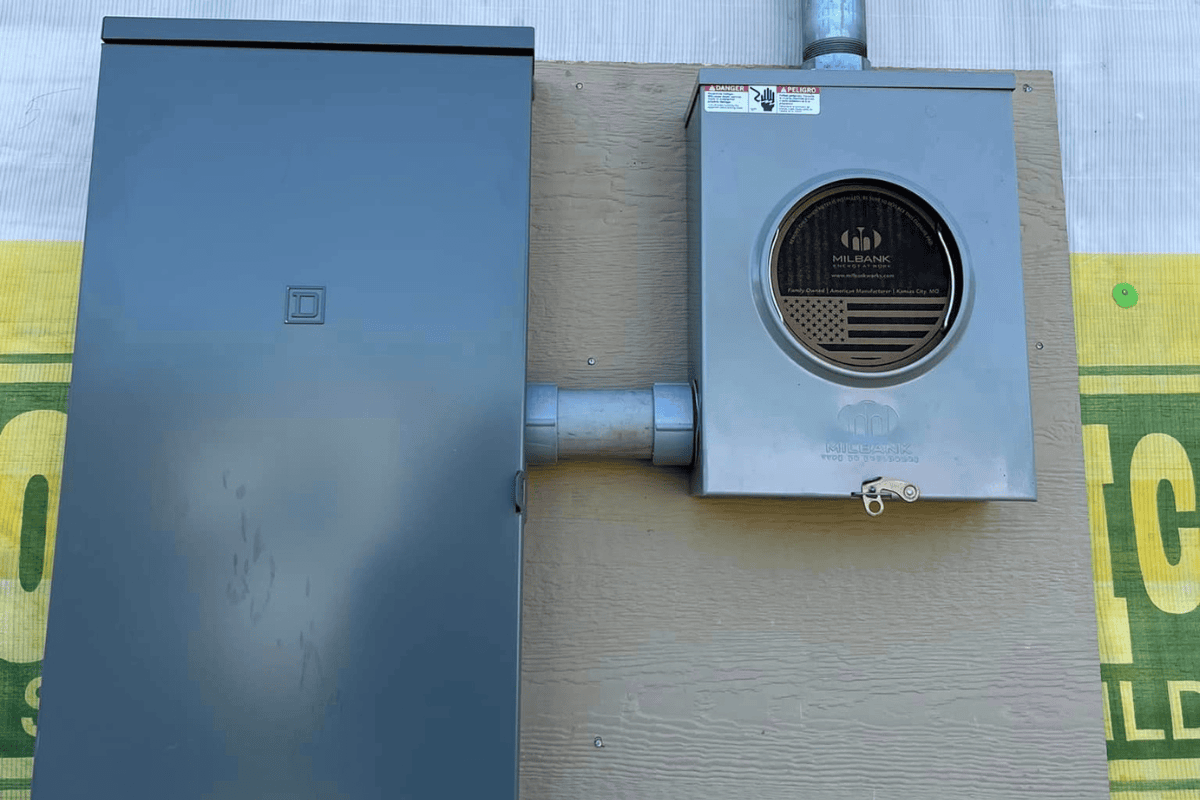
The electrical connections represent the most critical aspect of generator installation, requiring expertise in both residential wiring and generator-specific requirements. Your automatic transfer switch serves as the brain of the system, monitoring utility power and managing the transition to generator power during outages.
Transfer switch installation involves connecting your home’s main electrical circuits to the transfer switch, then connecting the transfer switch to both utility power and your generator. This work requires shutting off power to your entire home and must be performed by licensed electricians to ensure safety and code compliance.
The electrical connections include more than just power wiring. Control circuits monitor utility power status, communicate with the generator’s control panel, and manage the startup and shutdown sequences. These low-voltage connections are just as important as the main power cables, and improper connections can prevent your generator from operating when needed.
Fuel connections vary depending on your chosen fuel source, but all require careful attention to safety and sizing requirements. Natural gas connections tap into your existing gas line through a properly sized tee fitting, with pressure regulators and shut-off valves installed according to utility company standards.
Propane installations require running gas lines from your tank to the generator, with proper sizing to ensure adequate fuel flow under all operating conditions. The gas line must be pressure-tested and inspected before being placed in service, and all fittings must be rated for propane service.
Both natural gas and propane systems include safety shut-offs and pressure regulators to ensure proper fuel delivery and prevent dangerous over-pressure conditions. These components must be installed according to manufacturer specifications and local codes to ensure safe, reliable operation.
Reliable Generator Installation You Can Trust in Pumphrey, TX
Power outages will happen, that’s a given in Texas. What’s not a given is whether you’ll be prepared when they do. Professional generator installation gives you the peace of mind that comes with knowing your family will stay safe, comfortable, and connected no matter what the weather brings.
The right generator system, properly installed, becomes an invisible safety net that activates automatically when you need it most. No scrambling for flashlights, no worrying about spoiled food, no wondering when the power will return. Just reliable backup power that keeps your life running normally.
When you’re ready to protect your Pumphrey home with professional generator installation, call Hooked Up Electric for a free quote. Our licensed electricians handle every aspect of your installation with upfront pricing, quality workmanship, and the local knowledge that comes from serving Taylor County families for years.