Summary:
If you’ve been putting off this decision, February 2021 probably changed that. More than 4.5 million Texas homes lost power during Winter Storm Uri — some for days — and a lot of Taylor County residents made a mental note they haven’t forgotten. Now you’re here, doing the research, trying to figure out which generator is actually worth the money and which ones are just well-marketed.
That’s exactly what this page is for. We’ll walk you through the best whole house generator options available, what separates a good installation from a great one, and what Taylor County homeowners specifically need to factor in before signing anything.
Best Whole House Generator Options for Taylor County Homes
When most people search for the best generator for home use, they’re comparing brand names on a spec sheet. That’s a reasonable starting point, but it misses the bigger picture. The generator that works best for your home depends on your square footage, how many HVAC units you’re running, whether you’re on natural gas or propane, and what your electrical panel can actually handle.
For most homes in Taylor County, a generator in the 27–36kW range hits the sweet spot. That’s enough to run multiple air conditioners, your kitchen appliances, lighting, and a home office without pushing the unit to its limits. Undersized generators don’t just struggle — they overload and shut down at exactly the wrong moment.
The three brands that consistently rise to the top for whole-house standby installations are Generac, Kohler, and Cummins. Each has real strengths, and the right choice depends on your priorities.
Best Generator for Home Backup Power: Generac, Kohler, or Cummins?
Generac is the most widely installed standby generator brand in the country, and for good reason. Their Guardian Series covers a wide range of home sizes, their parts are widely available, and their monitoring app lets you check system status remotely — useful if you’re away from home when a storm rolls through. For Taylor County homeowners who want solid performance at a competitive price point, Generac is often the first recommendation we make.
Kohler is the quieter option, both literally and figuratively. Their units run at lower decibel levels than most competitors — relevant if your generator will be placed close to a bedroom window or a neighbor’s property line. Kohler builds to a higher durability standard, and that’s reflected in the price. If long-term reliability and quieter operation matter more than upfront cost, Kohler is worth the premium.
Cummins rounds out the top tier with a reputation for industrial-grade reliability scaled down for residential use. Their QuietConnect series performs well in extreme temperatures — a meaningful consideration when you’re looking at 96°F July highs and January lows that dip to 31°F in Taylor County. Cummins units tend to handle thermal stress well, which matters in West Texas’s wide temperature swings.
The honest answer is that all three brands produce reliable generators when they’re properly sized and professionally installed. The brand debate matters less than getting the load calculation right, choosing the correct fuel configuration for your property, and having a licensed electrician handle the installation from start to finish. A top-tier generator installed incorrectly is still a liability.
What Consumer Reports Says About Whole House Generators — and Why Lab Tests Don't Tell the Full Story
Consumer Reports tests whole house generators by loading them with real appliances — space heaters, refrigerators, and other household essentials — to evaluate how each unit performs under actual demand. Their ratings are a useful baseline, and their top picks consistently include models from Generac, Kohler, and Champion across different wattage tiers. They also note that a standby generator can increase a home’s property value by 3–5%, which for a Taylor County home at the median value of $190,300 translates to roughly $5,700–$9,500 in added value.
What those ratings don’t tell you is how a specific model will perform at your address, with your fuel supply, connected to your electrical panel. Lab testing is done in controlled conditions. Your home isn’t a controlled condition — especially not during a Texas ice storm or a summer thunderstorm that knocks out the grid when temperatures are already in the mid-90s.
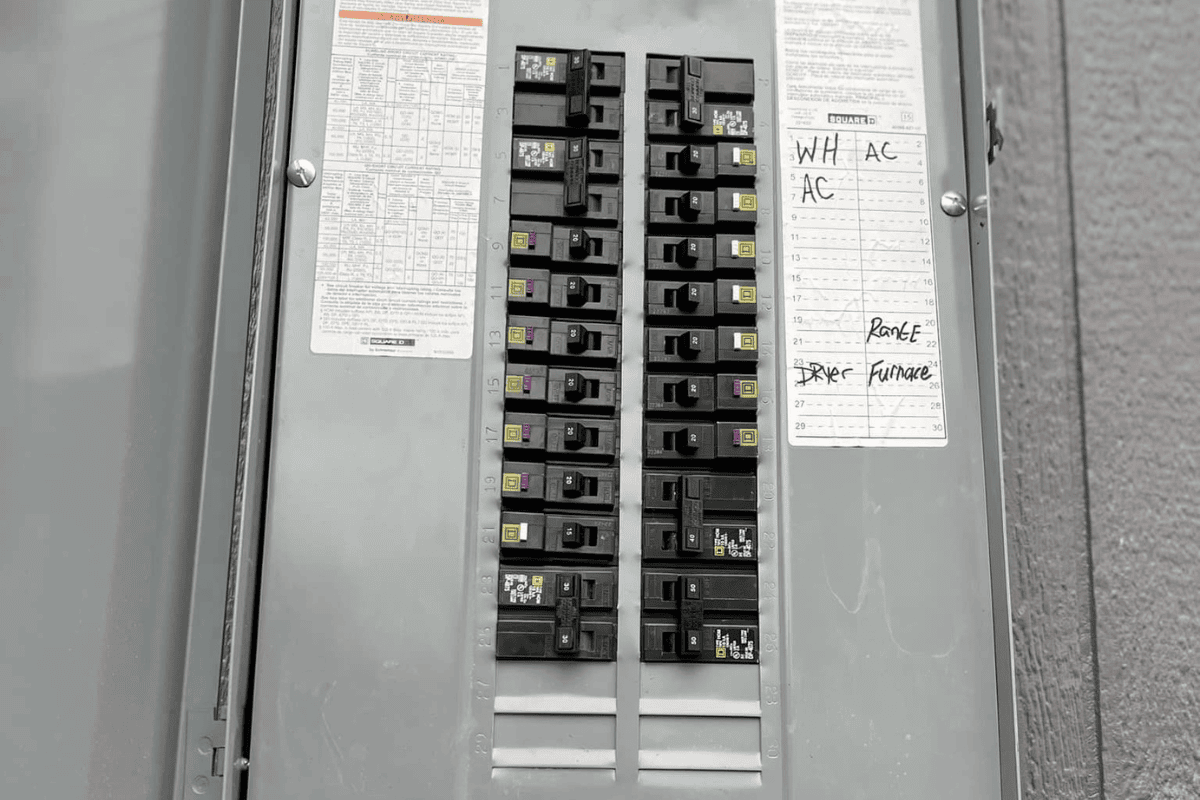
That gap between a product rating and a real-world installation is where professional assessment matters most. Industry best practice calls for sizing a generator 20–25% above your calculated peak load, so the unit runs comfortably at around 80% capacity. That buffer gives you flexibility if your power needs grow and keeps the generator from working at its limit every time it kicks on. A certified electrician runs a proper load calculation before recommending a unit — that’s the step that turns a good consumer report score into a generator that actually performs when you need it.
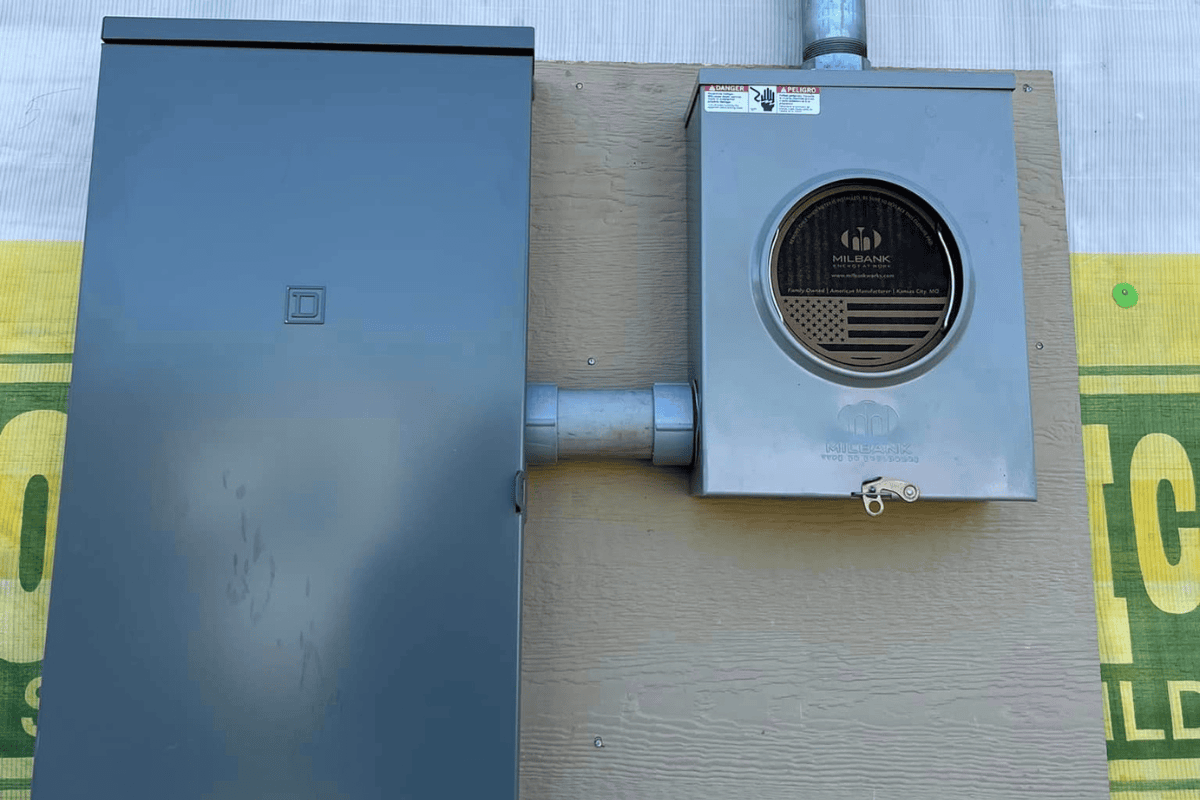
Installation cost is another piece the ratings don’t cover. We’ve seen installation run more than the generator itself, sometimes several times more. Total costs for a whole-house standby system in Texas typically land between $7,000 and $20,000, depending on the unit size, fuel type, transfer switch, any needed panel work, and whether a concrete pad and new gas line are required. Getting an itemized quote upfront is the only way to know what you’re actually committing to.
What Taylor County Homeowners Need to Know Before Choosing a Generator
Taylor County’s semi-arid climate, rural property characteristics, and exposure to the Texas grid’s vulnerabilities create a specific set of conditions that national comparison sites don’t account for. The decisions that make sense for a homeowner in Houston don’t automatically translate here.
If you’re outside Abilene proper, there’s a good chance your water supply depends on a well pump. Well pumps are electrically powered, which means a grid outage doesn’t just turn off your lights — it cuts your running water entirely. A standby generator is the only backup solution that keeps a well pump running automatically, without you having to be home to start it.
Natural Gas vs. Propane: Which Fuel Type Is Right for Your Taylor County Property?
This is one of the most common questions we get, and the answer genuinely depends on your property. Natural gas is convenient — it connects directly to your existing gas line, and you never have to worry about running out of fuel during an extended outage. If your home already has natural gas service and your meter and lines are correctly sized to handle the additional load, it’s often the cleaner, lower-maintenance option.
Propane is the practical choice for properties that don’t have natural gas service, which covers a significant portion of rural Taylor County. Liquid propane is stored in an onsite tank, so you’re not dependent on the utility infrastructure at all. The tradeoff is that you need a tank large enough to sustain the generator through an extended outage — a detail that’s easy to underestimate if you’re planning for a multi-day event like Uri. Sizing the propane tank correctly is part of the system design, not an afterthought.
We look at your existing fuel infrastructure during a site assessment, along with the size of the generator you need and how long you’d realistically need to run it during a worst-case outage. From there, the fuel recommendation follows naturally. There’s no universal right answer — it’s a property-by-property decision, and it’s one of the reasons a site visit matters before any quote is finalized.
One thing worth knowing: if you’re adding a new gas line for a natural gas generator, that work requires a licensed plumber in most Texas municipalities, in addition to the electrical permit. Permits are also required for the transfer switch installation and, in some areas, for the concrete pad. We handle all of that coordination so you’re not chasing down multiple contractors and permit offices on your own.
How the Texas Power Grid Makes Generator Installation a Practical Decision, Not a Luxury One
ERCOT ordered 20,000 megawatts of rolling blackouts during Winter Storm Uri — the largest manually controlled load-shedding event in U.S. history. Taylor County residents didn’t watch that on the news from a distance. They lived it: days without heat in temperatures that average 31°F in January, no running water for homes on well systems, food spoilage, and in the worst cases, genuine health emergencies.
Texas has made changes since 2021, but the structural pressure on the grid hasn’t gone away. Electricity demand is rising — driven in part by a data center and AI infrastructure boom across the state — while the number of dispatchable power generation sources has remained roughly flat. Summer heat events that push ERCOT to the edge of capacity are already a regular occurrence. The question for Taylor County homeowners isn’t really whether another serious outage will happen. It’s whether you’ll be ready when it does.
A standby generator addresses that question completely. It connects to your home’s electrical system and starts automatically within seconds of detecting a grid outage — no extension cords, no manual startup, no waiting to see how long the outage lasts before you decide to act. Your HVAC keeps running, your refrigerator stays cold, your well pump stays on, and if anyone in your household depends on electrically powered medical equipment, that stays on too.
The financial case is straightforward as well. One extended outage can cost thousands in food spoilage, hotel stays, emergency plumbing repairs from burst pipes, and lost income if you work from home. A properly installed standby generator eliminates all of that exposure.
Ready to Find the Best Generator for Your Home? Here's the Next Step.
The best generator for your home isn’t determined by a top-ten list — it’s determined by your home’s actual power requirements, your fuel options, your property layout, and your local codes. Getting that right from the start is what separates a system that works flawlessly in a real emergency from one that trips a breaker when you need it most.
If you’re a Taylor County homeowner who’s been thinking about this for a while, the most useful thing you can do right now is get a professional load calculation and a written, itemized quote. That gives you a specific generator recommendation, a clear total cost, and no surprises down the road.
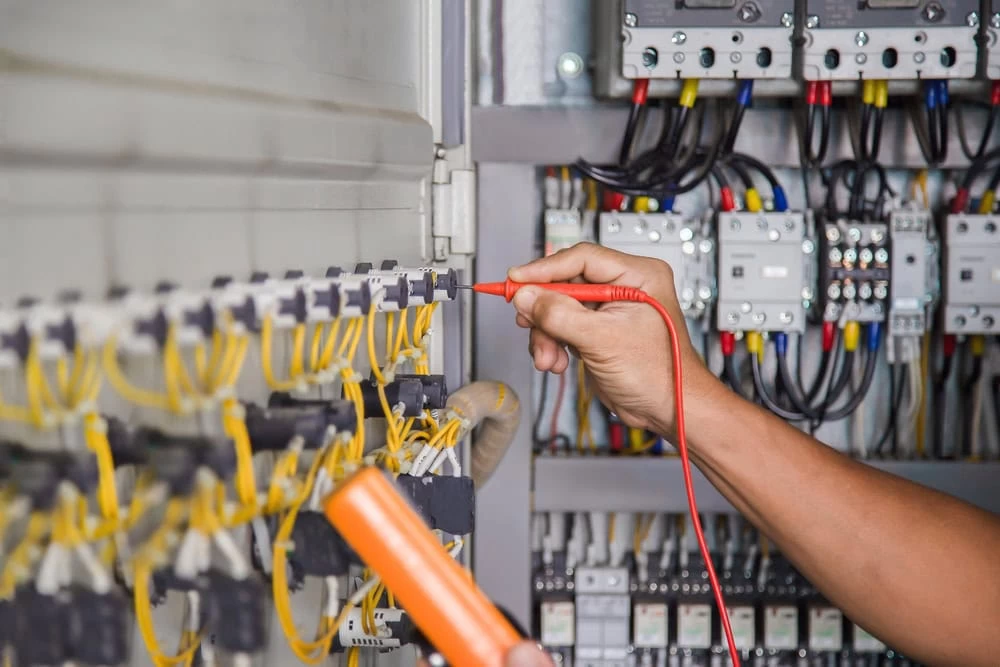
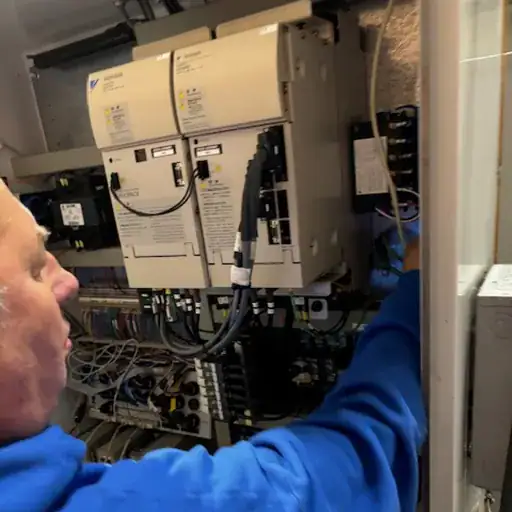
We’ve been doing this work in Taylor County for years, backed by over 20 years of electrical experience. Call us at 325-660-4493 to schedule your free assessment — we’ll come out, look at your home, and give you a straight answer on what you actually need.